
Ceiling Lights
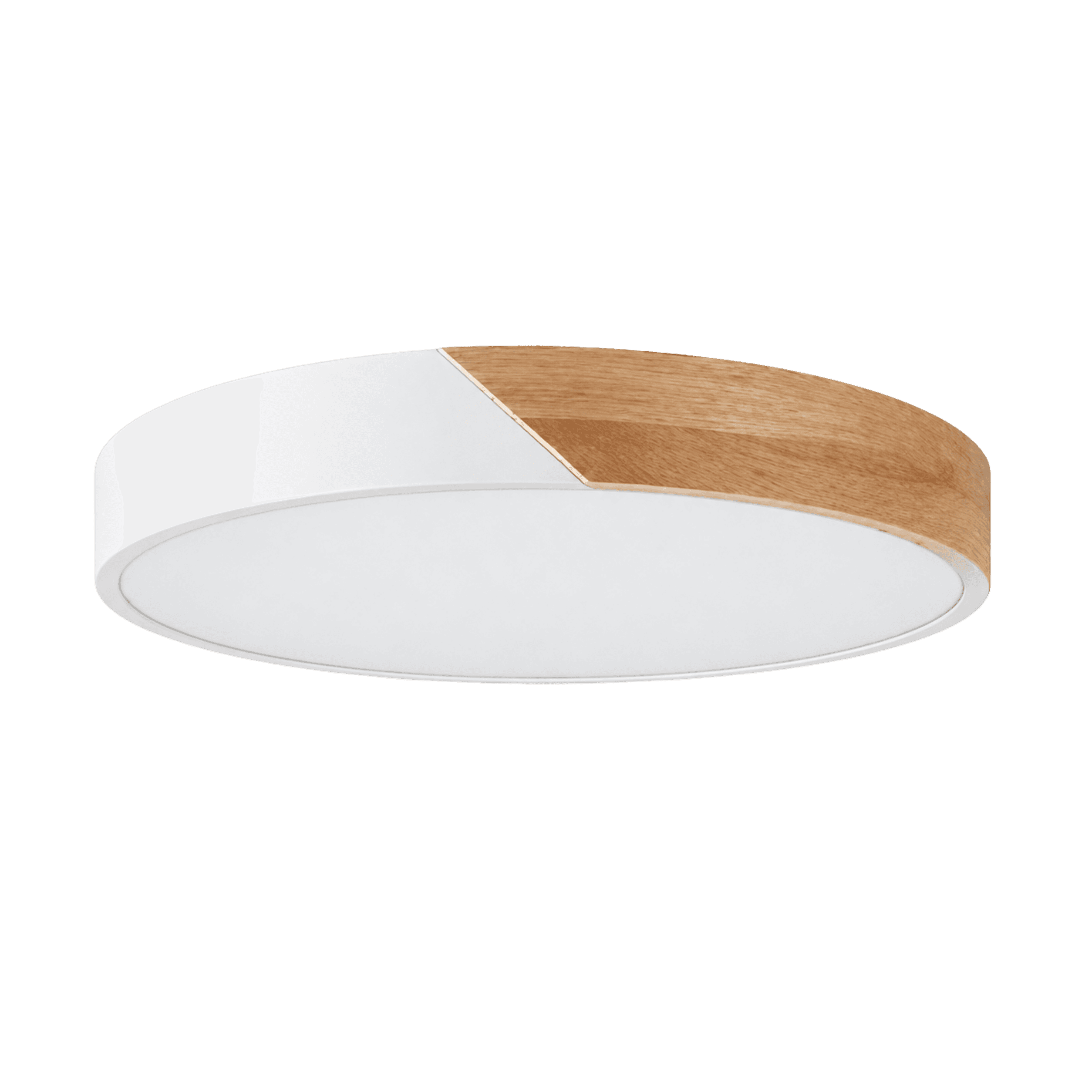
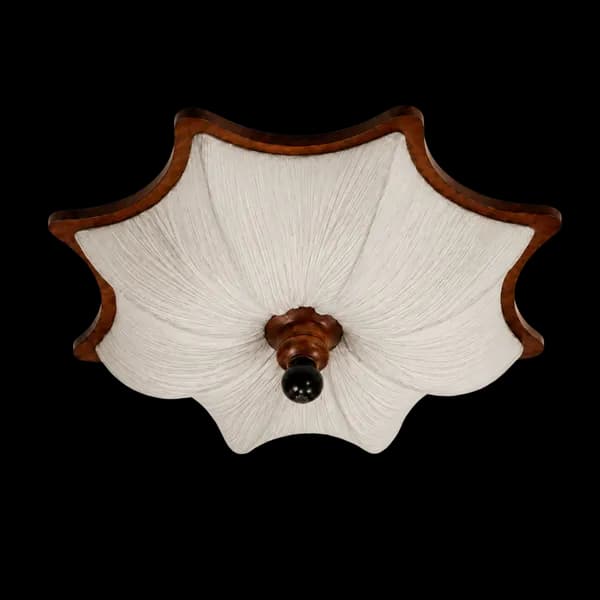
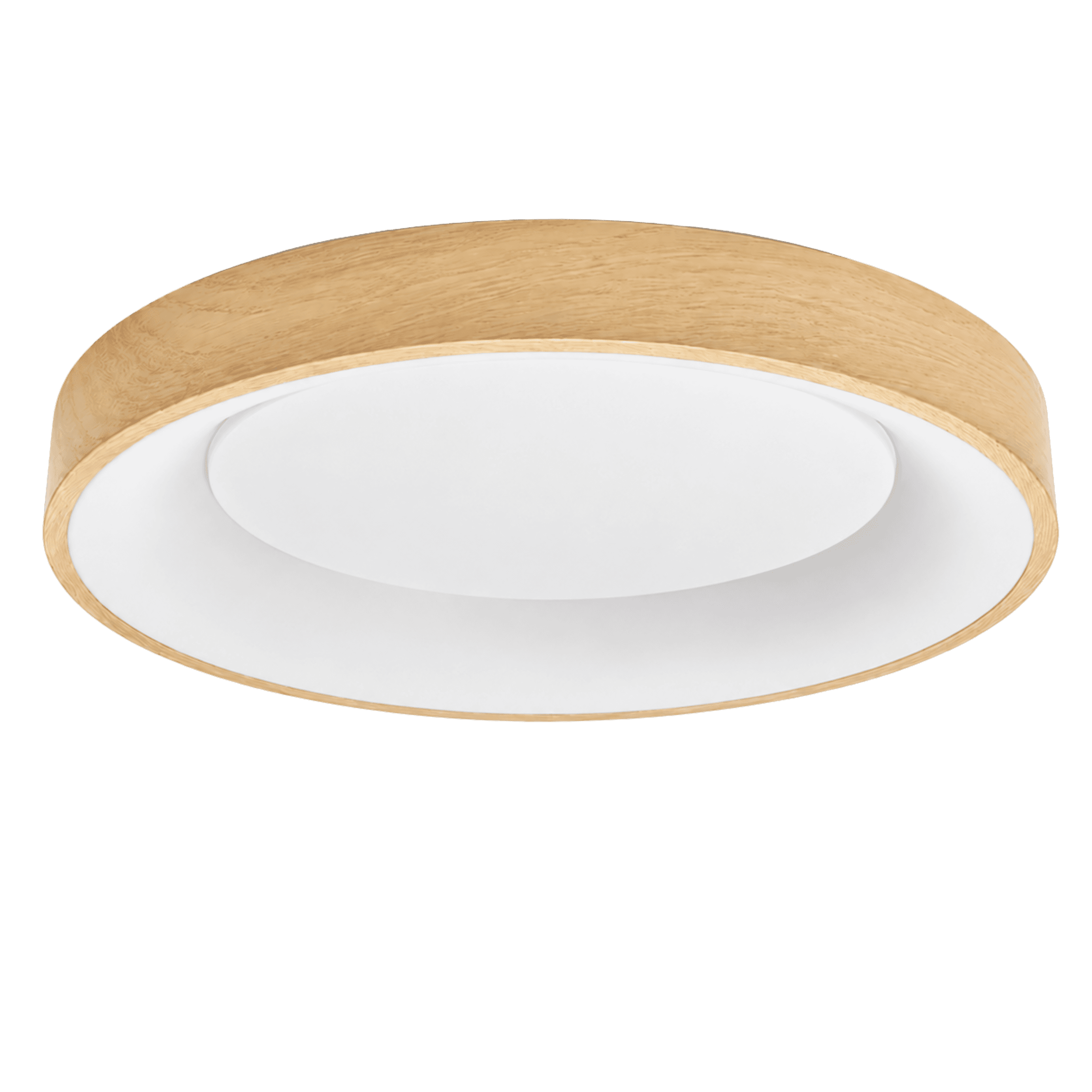
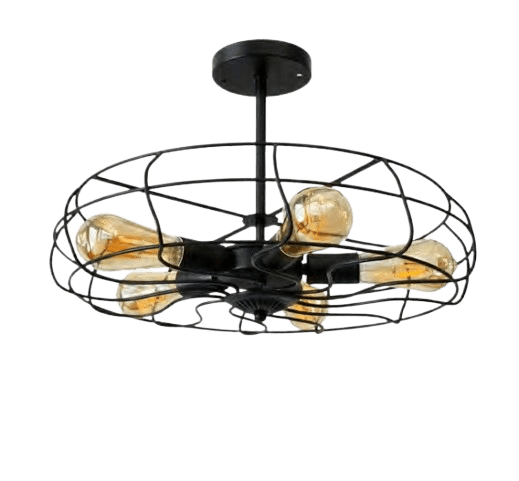
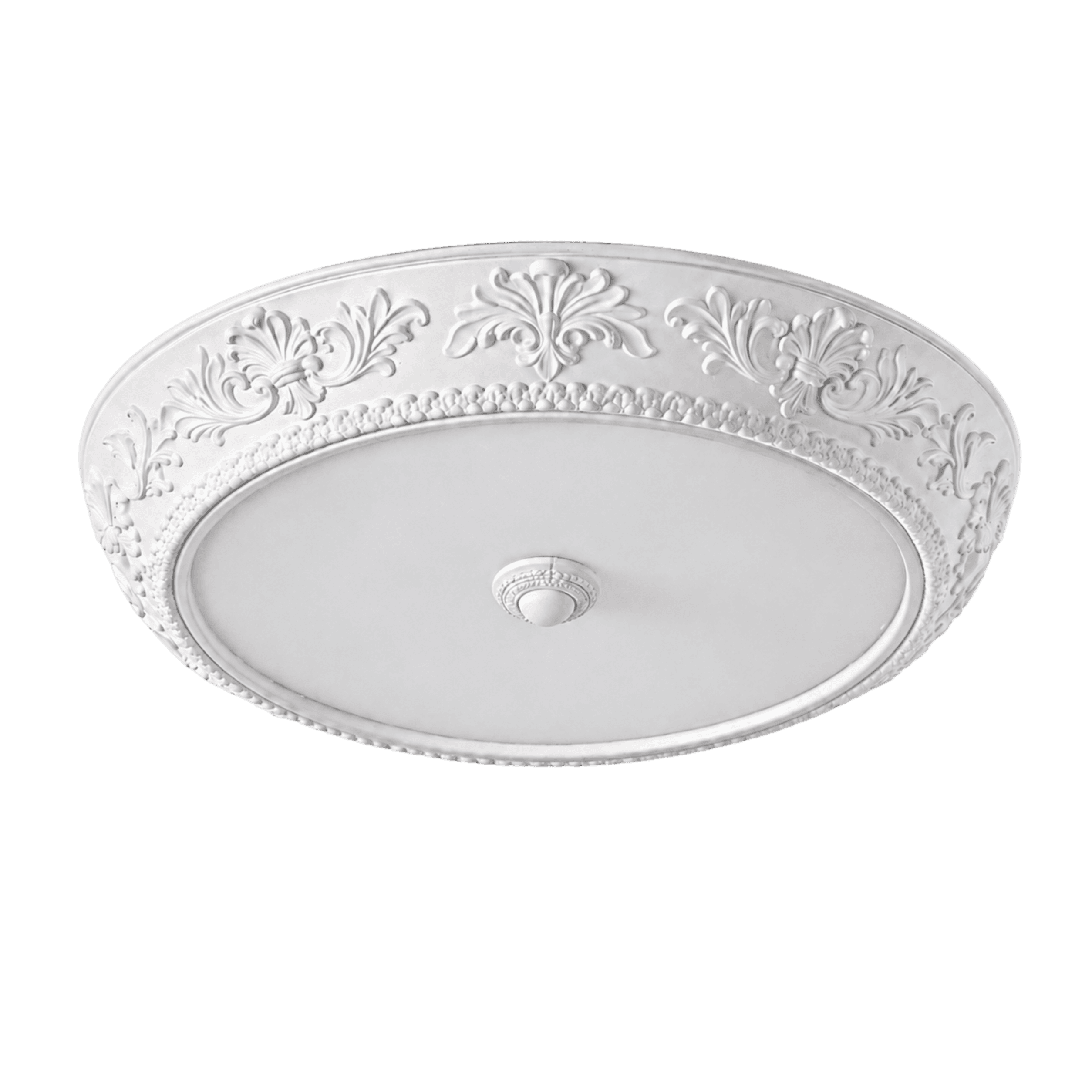
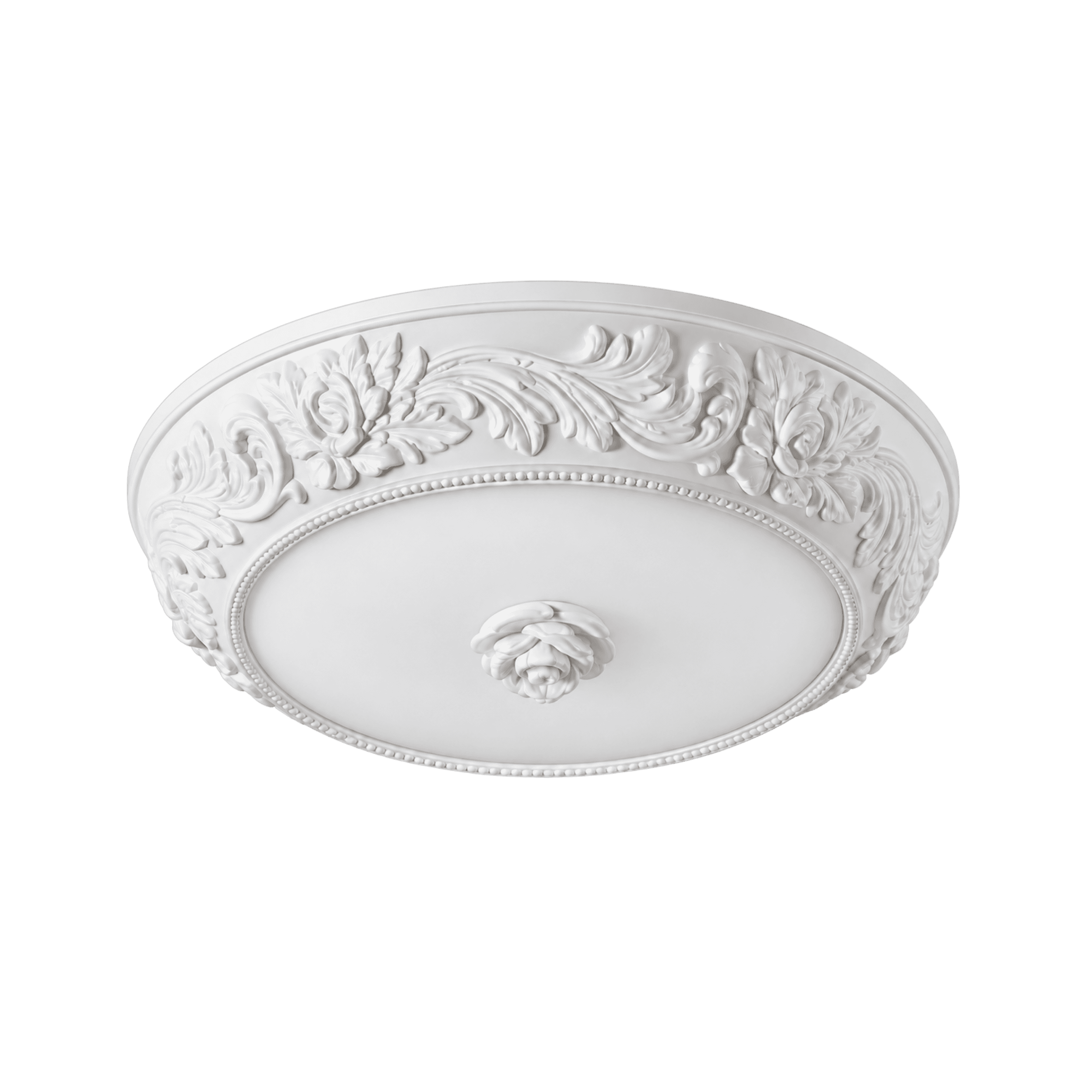
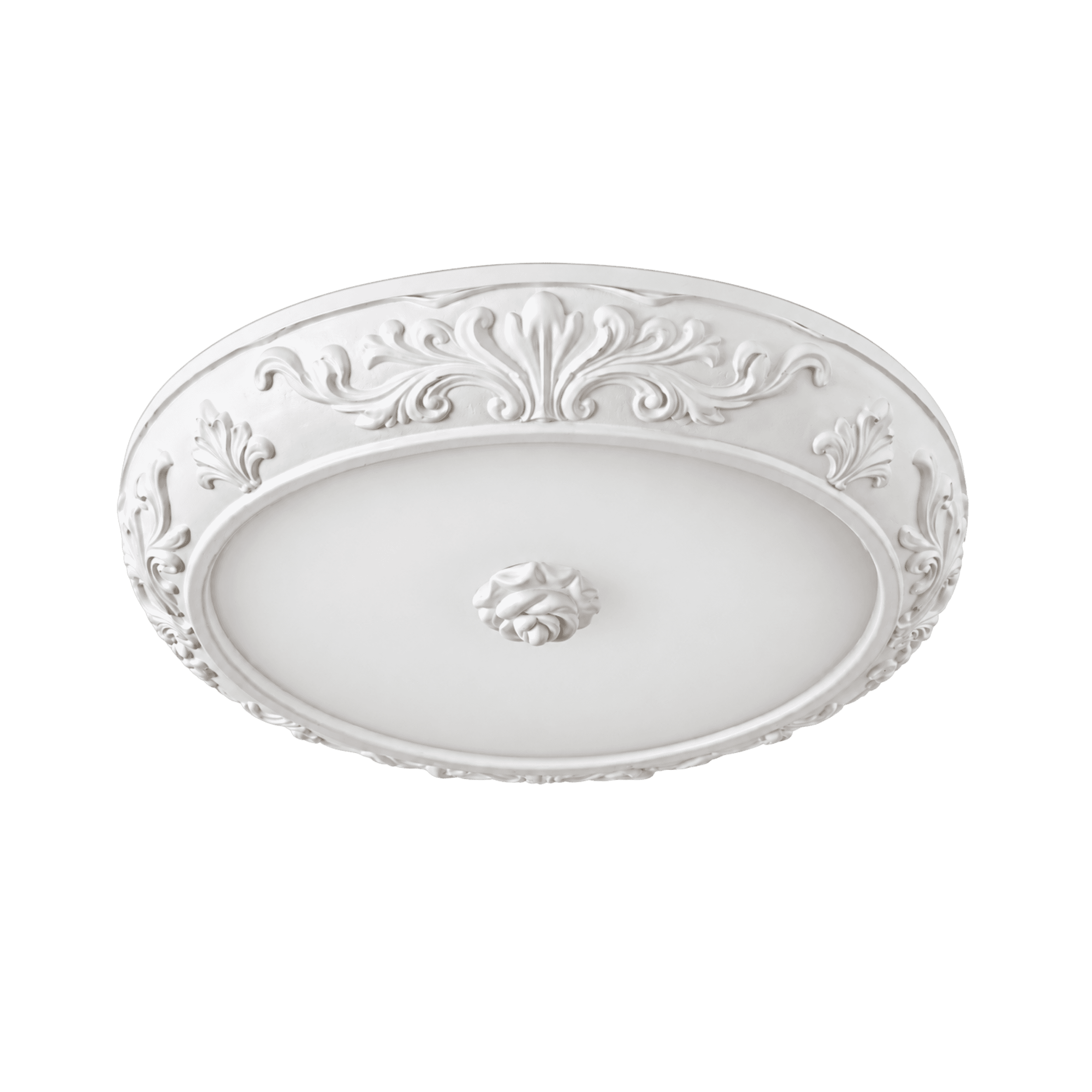
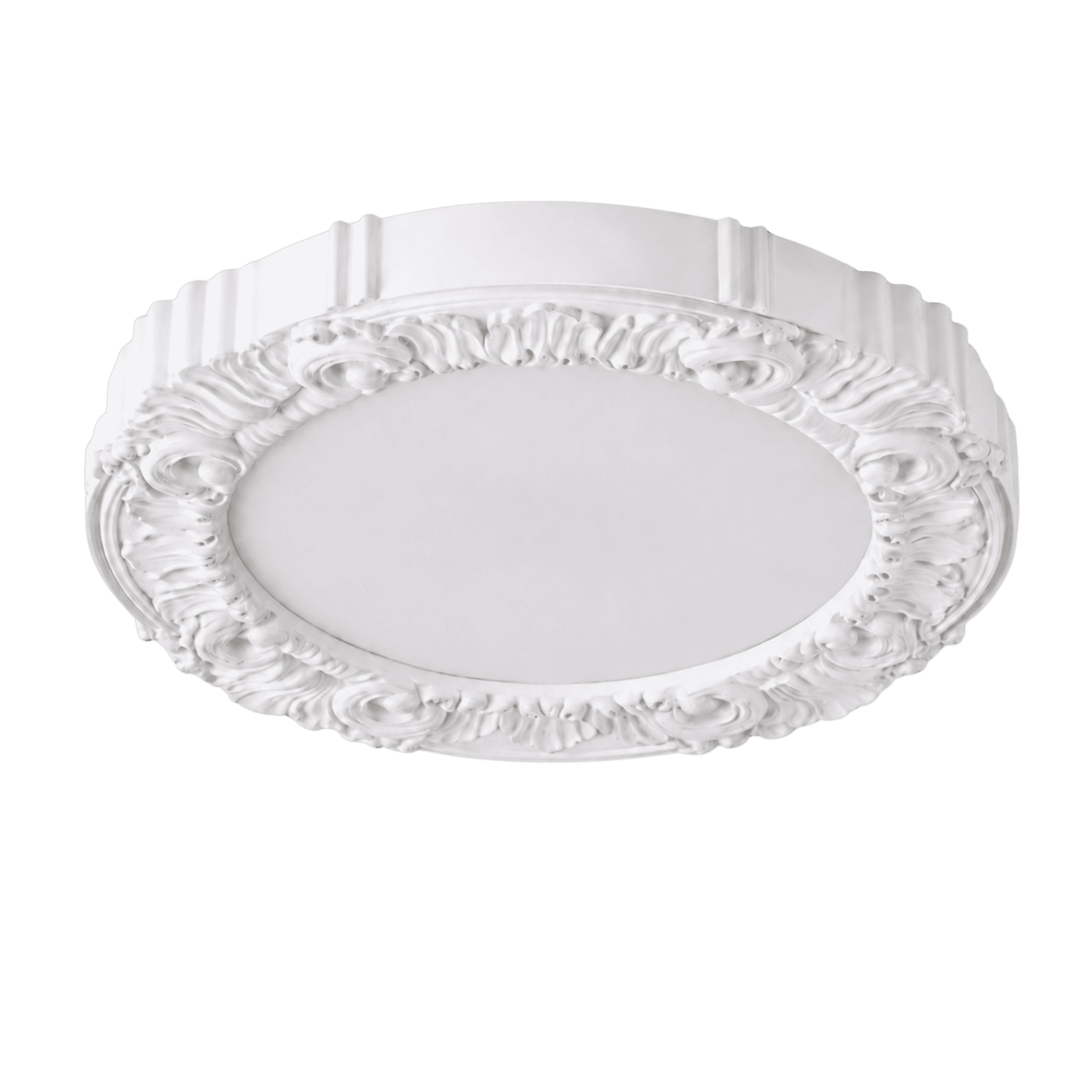
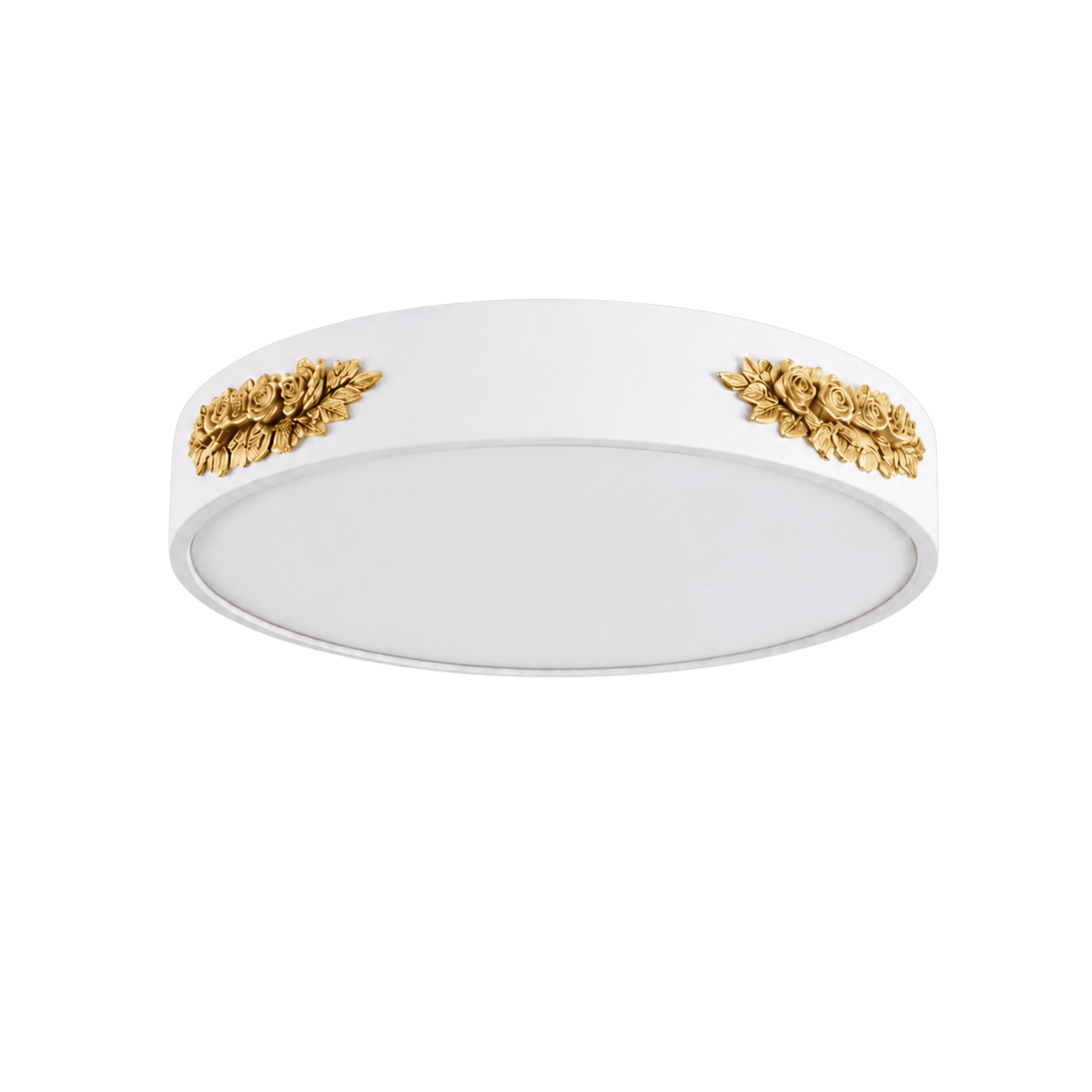
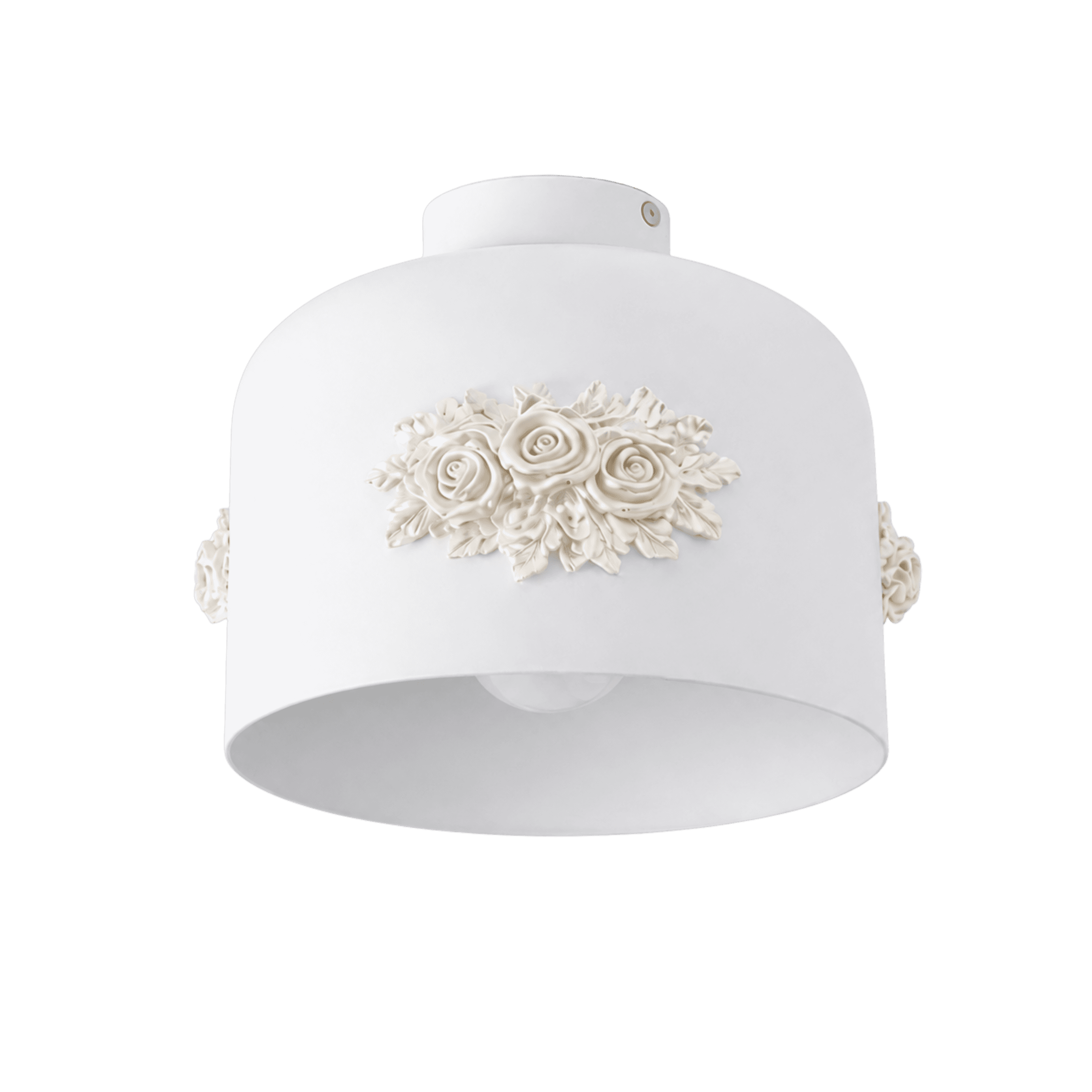
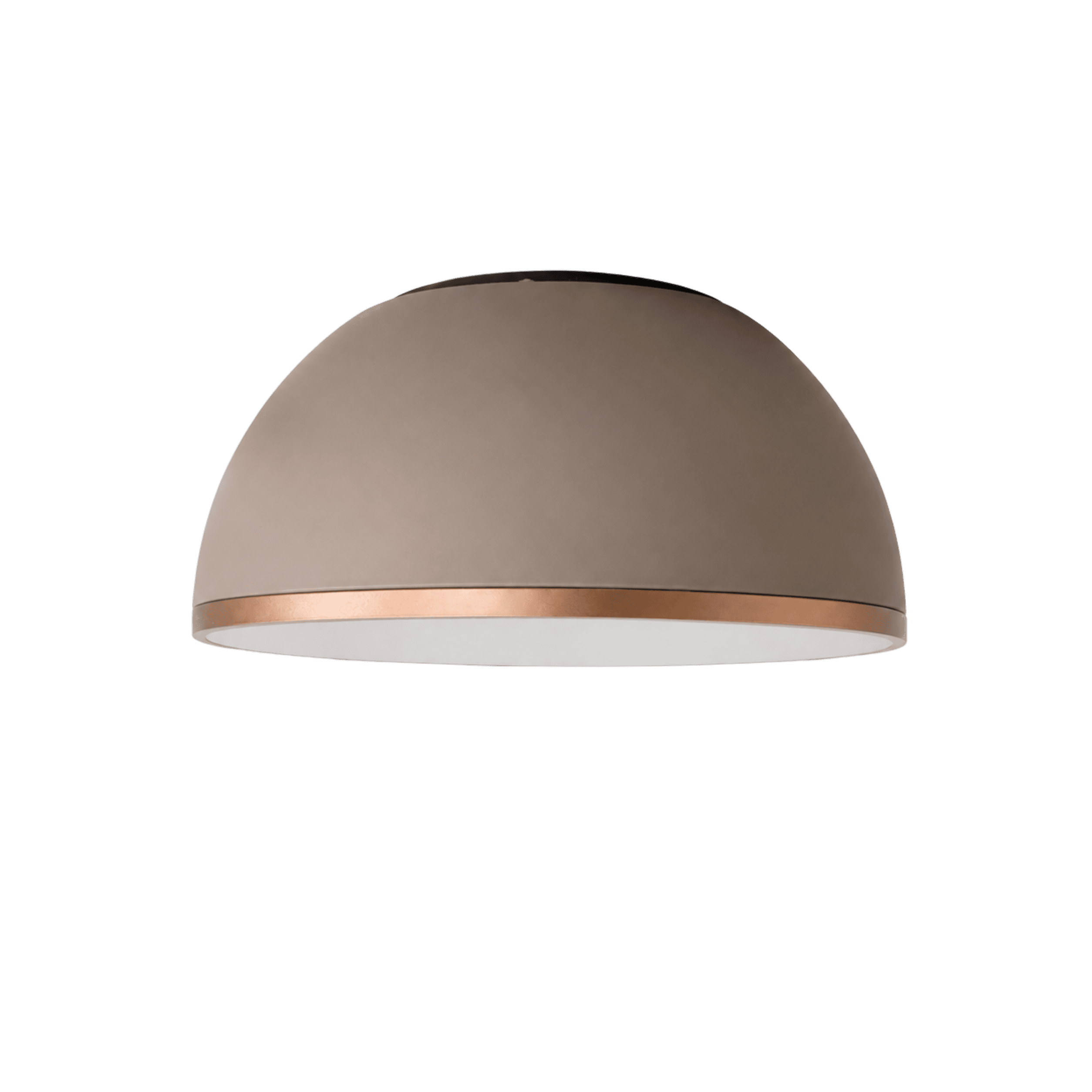
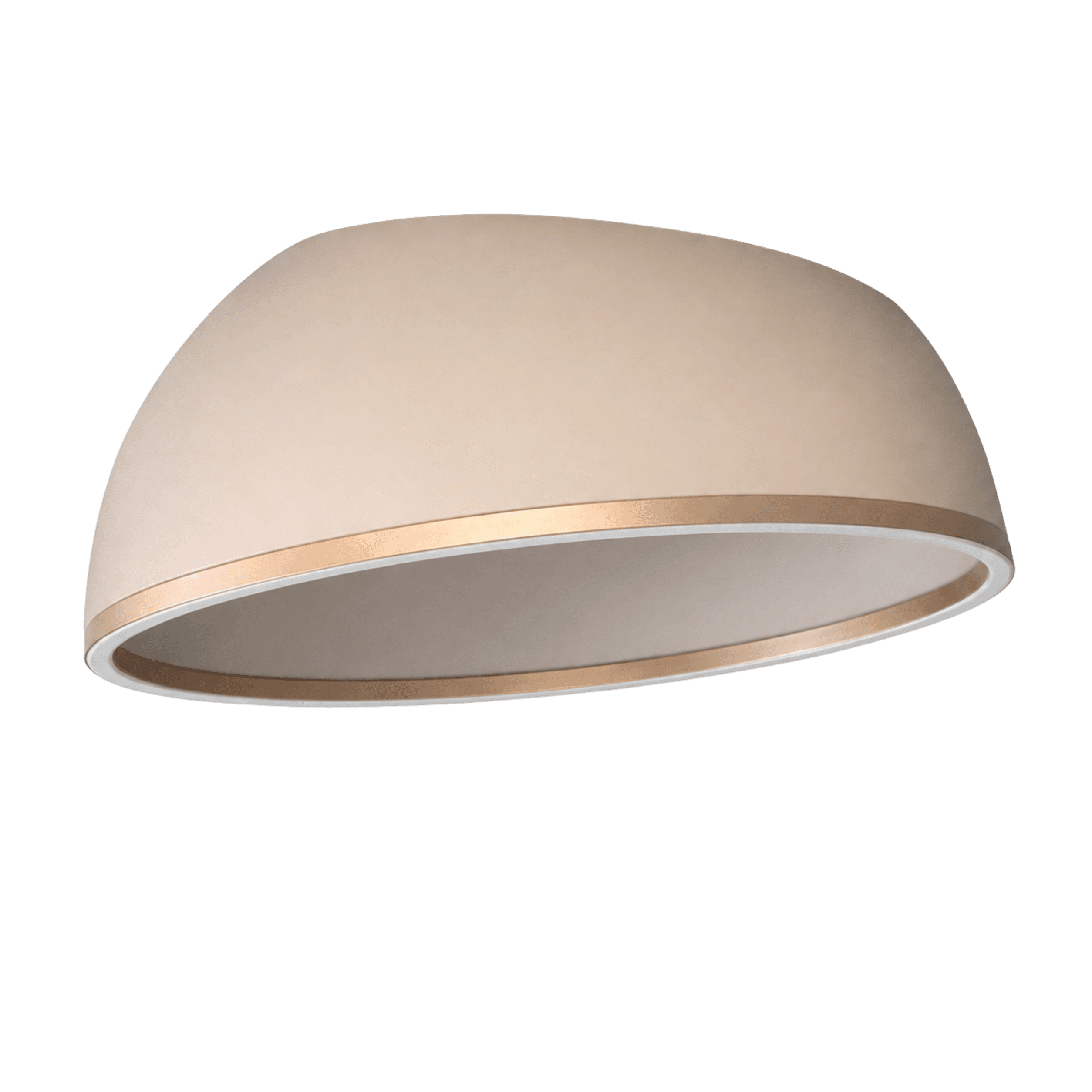
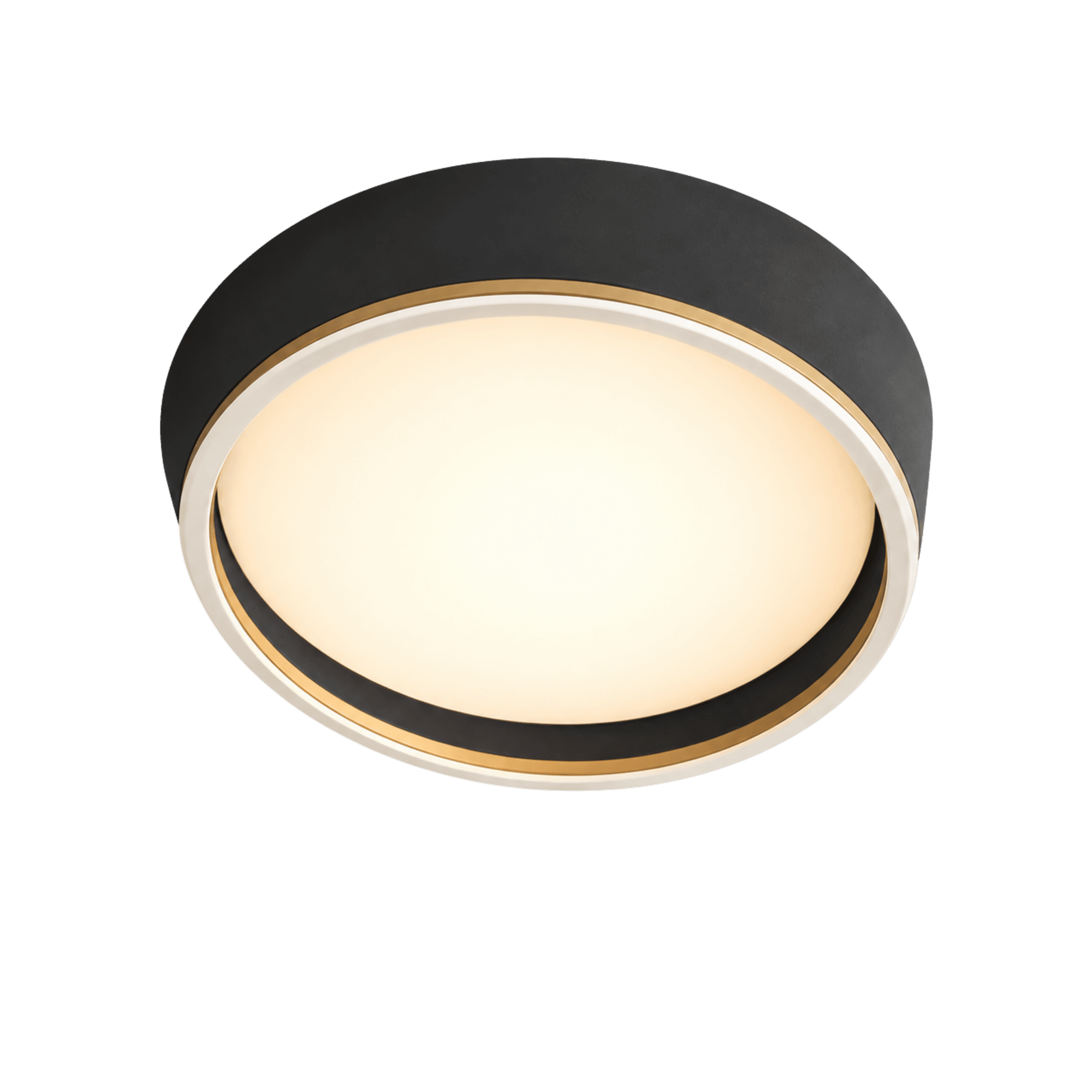
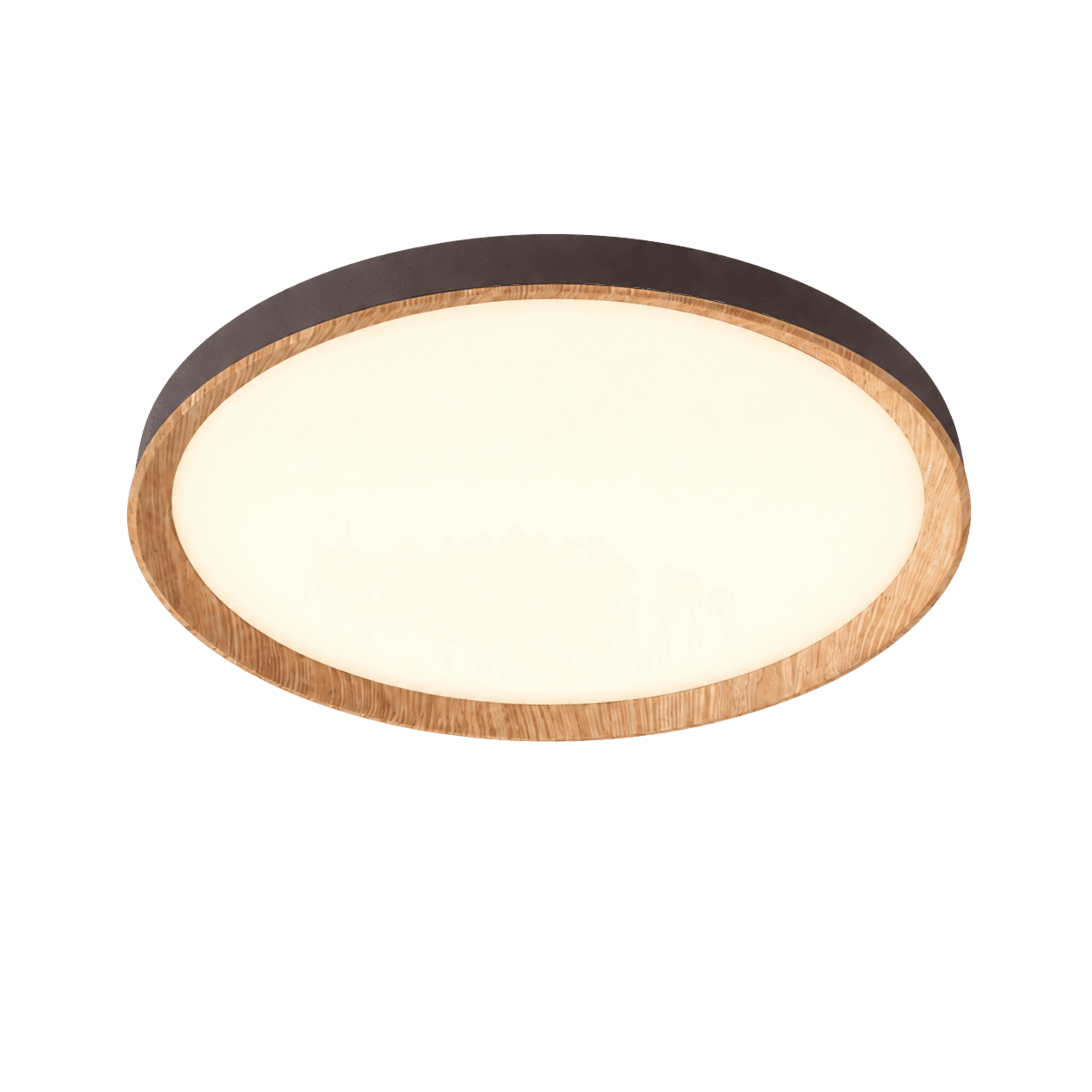
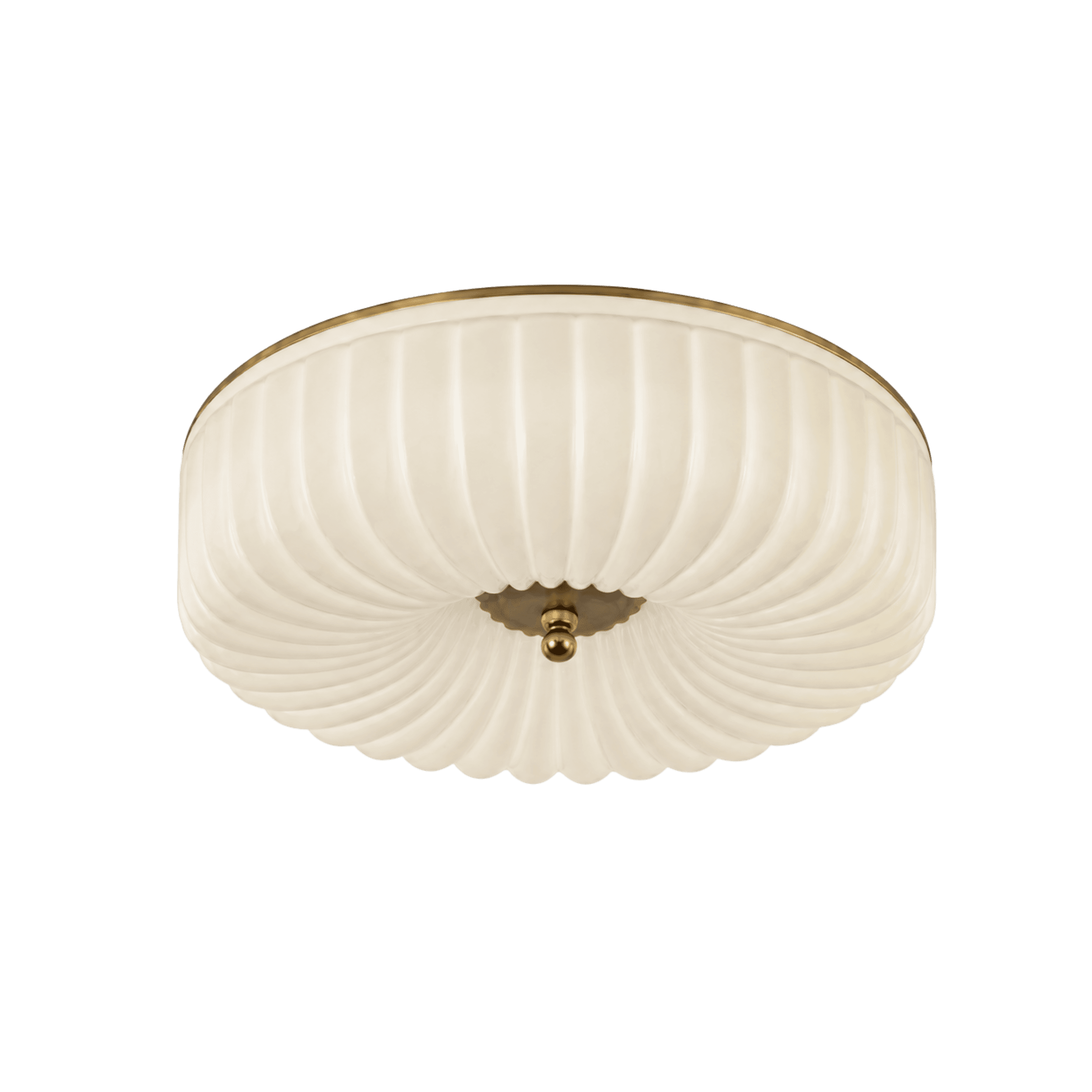
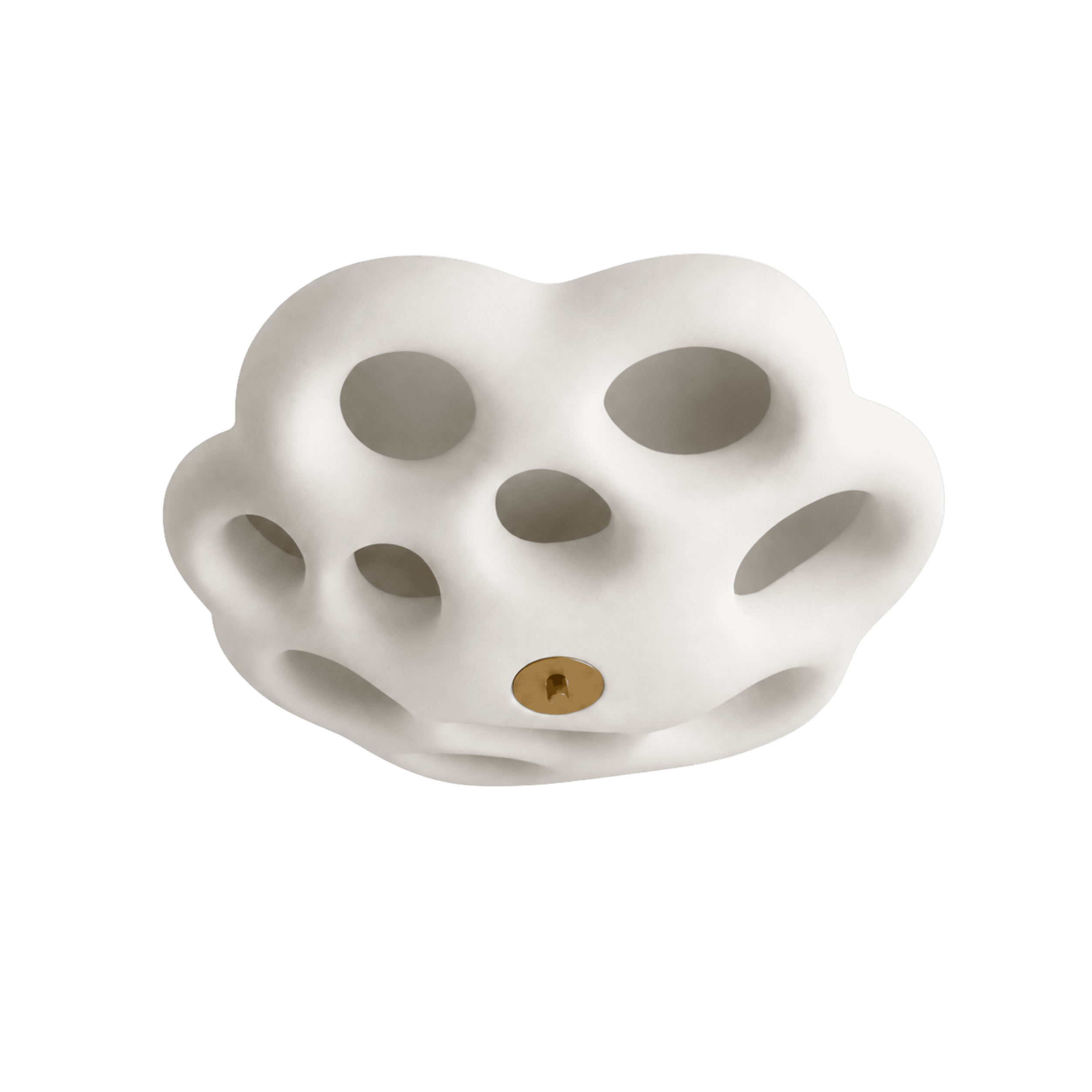
Flush and semi-flush fixtures for rooms that cannot take a drop.
.png&w=3840&q=75)
.png&w=3840&q=75)
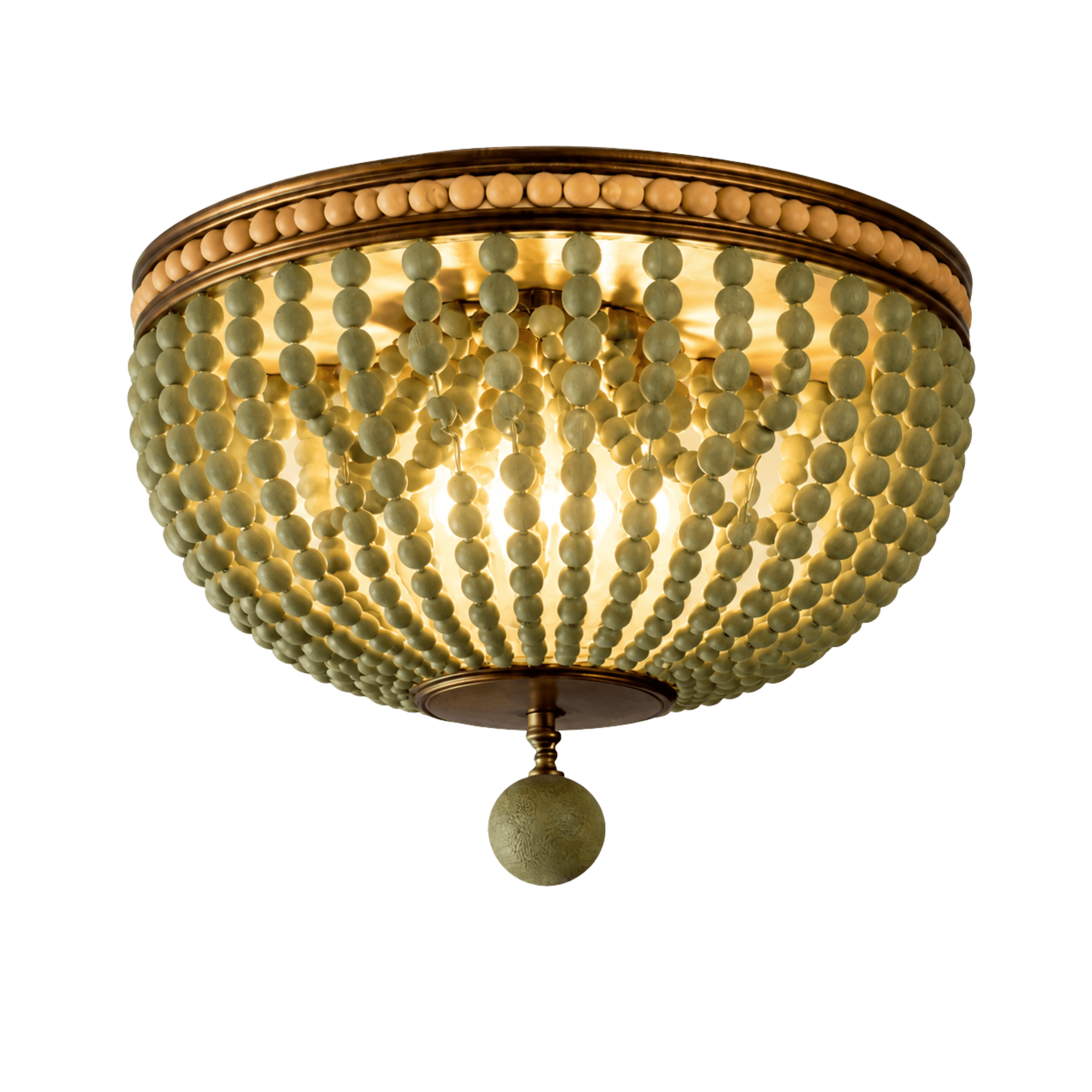
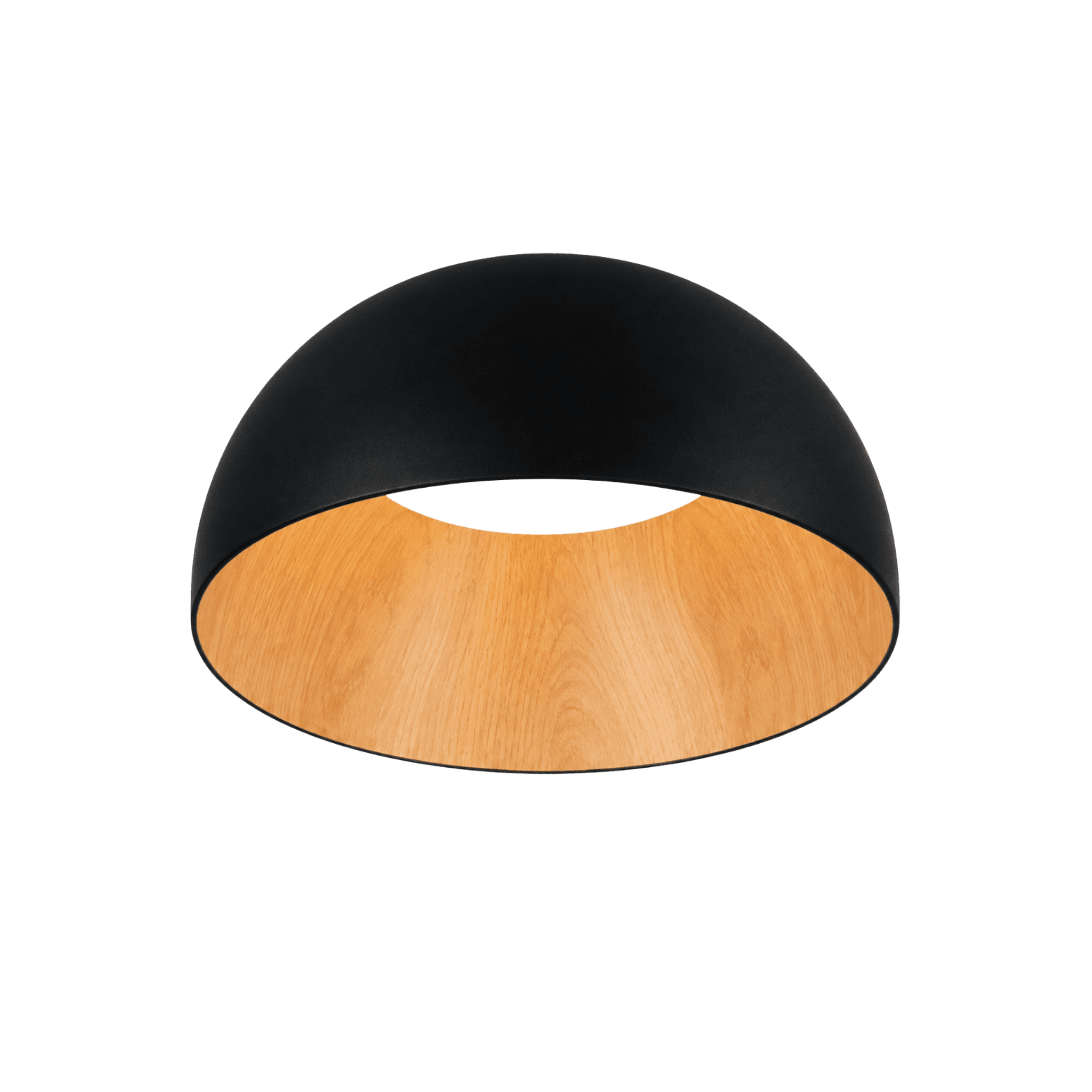
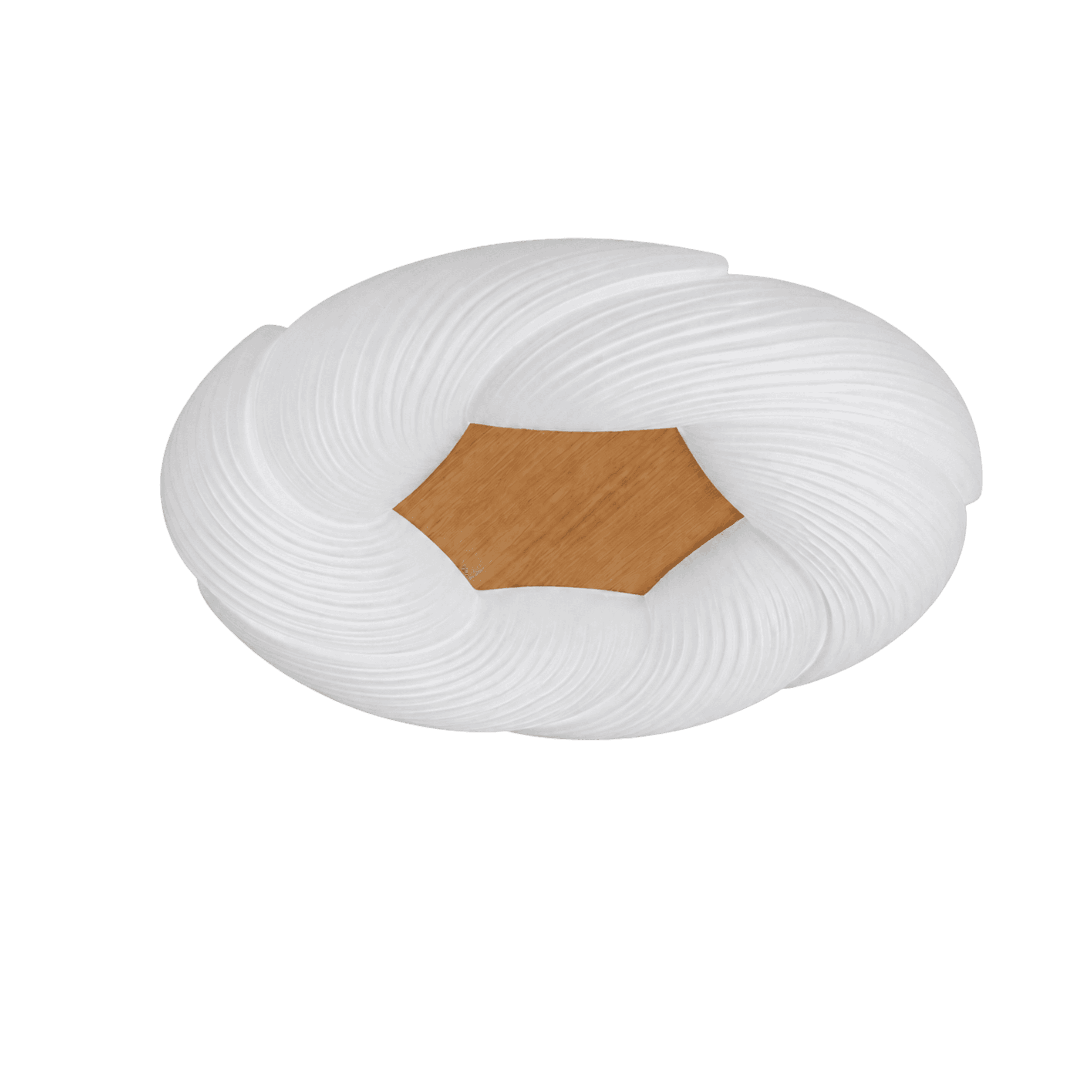
.png&w=3840&q=75)
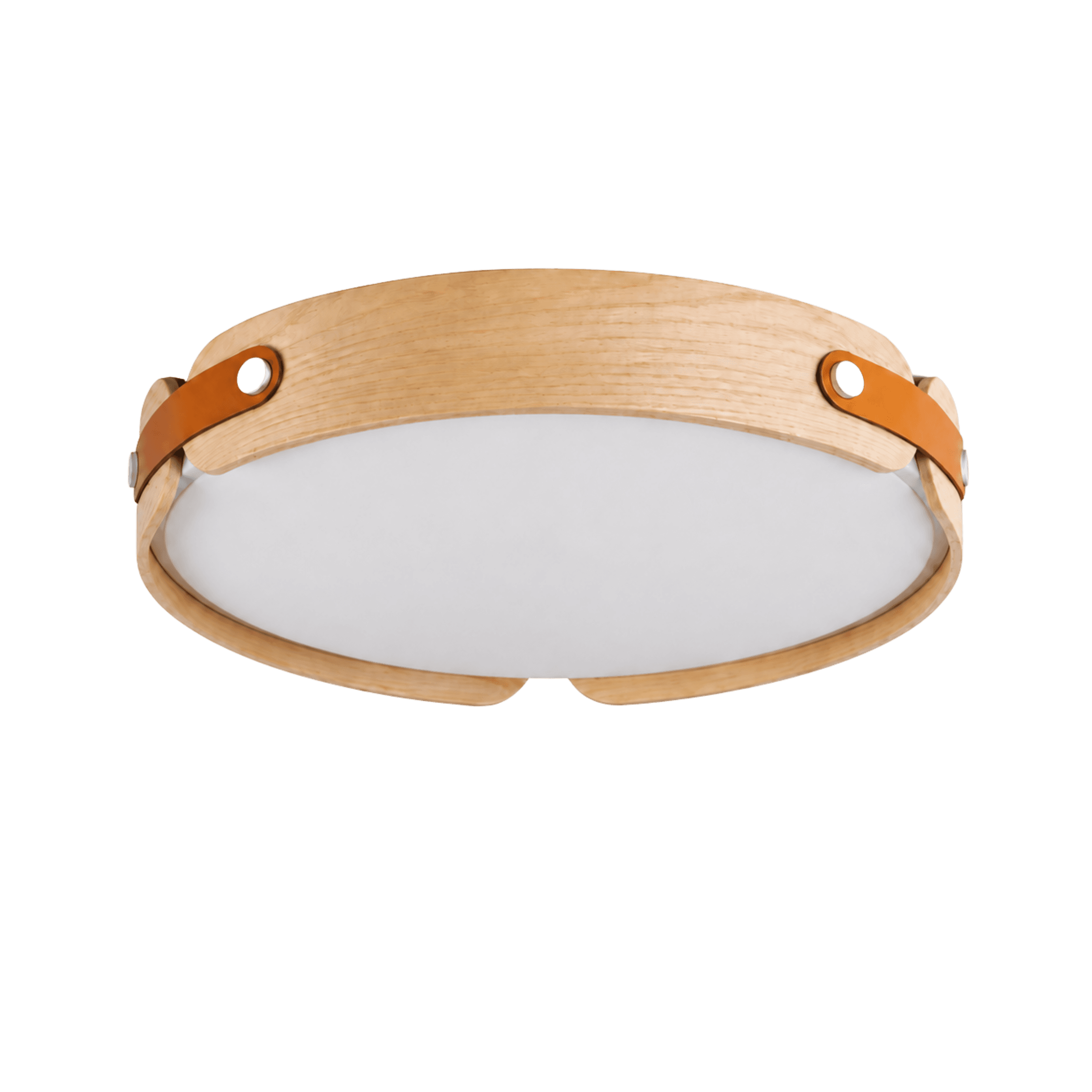

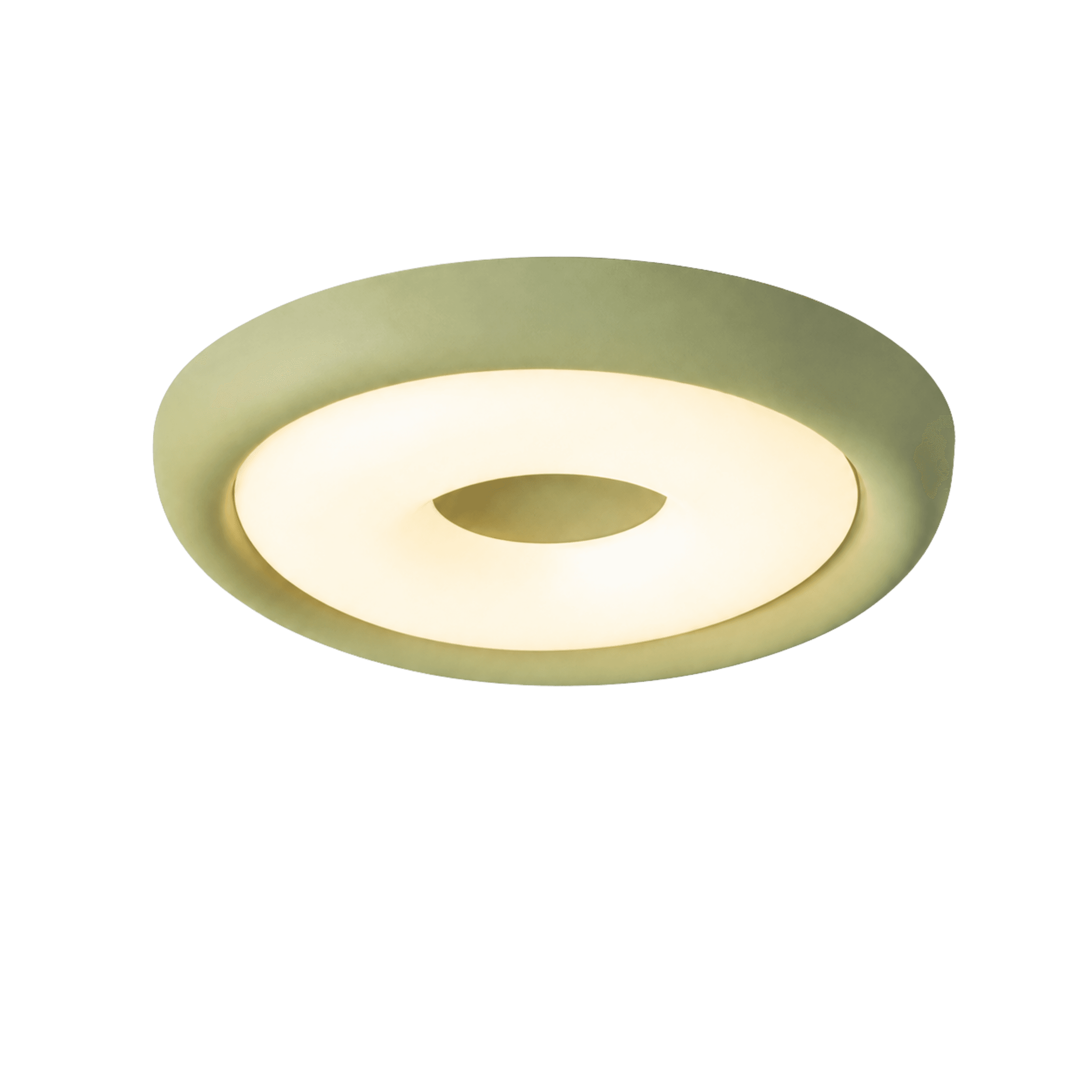

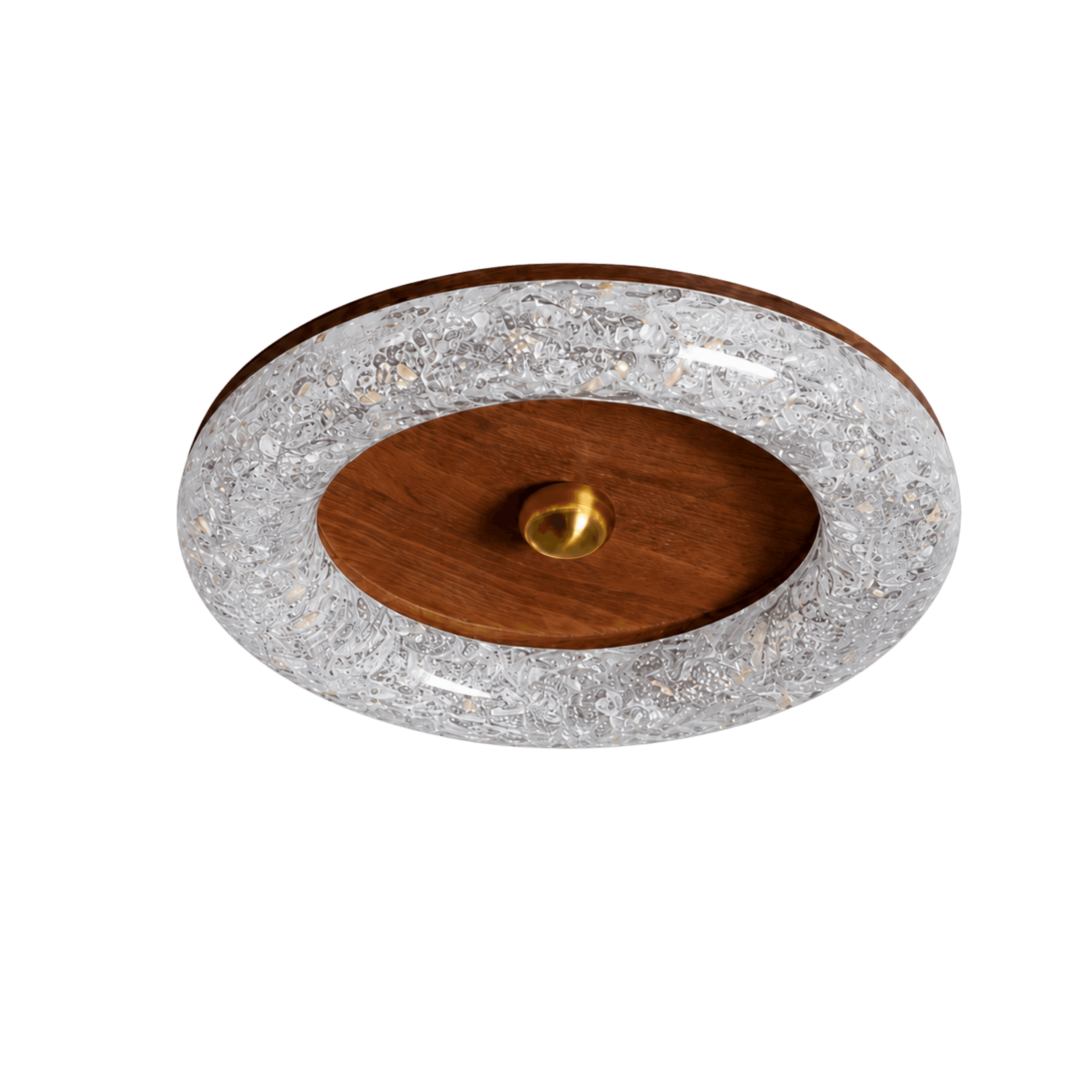
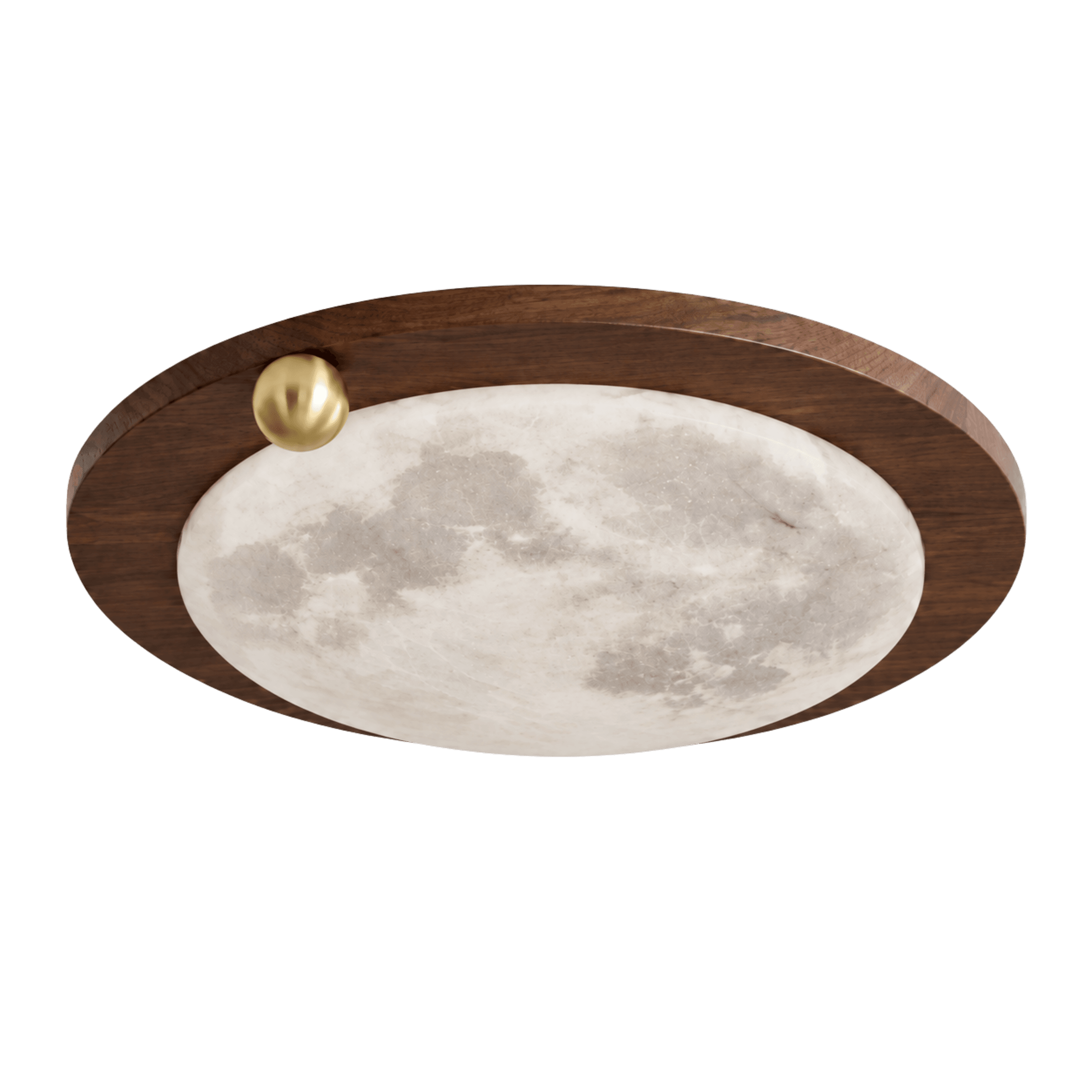
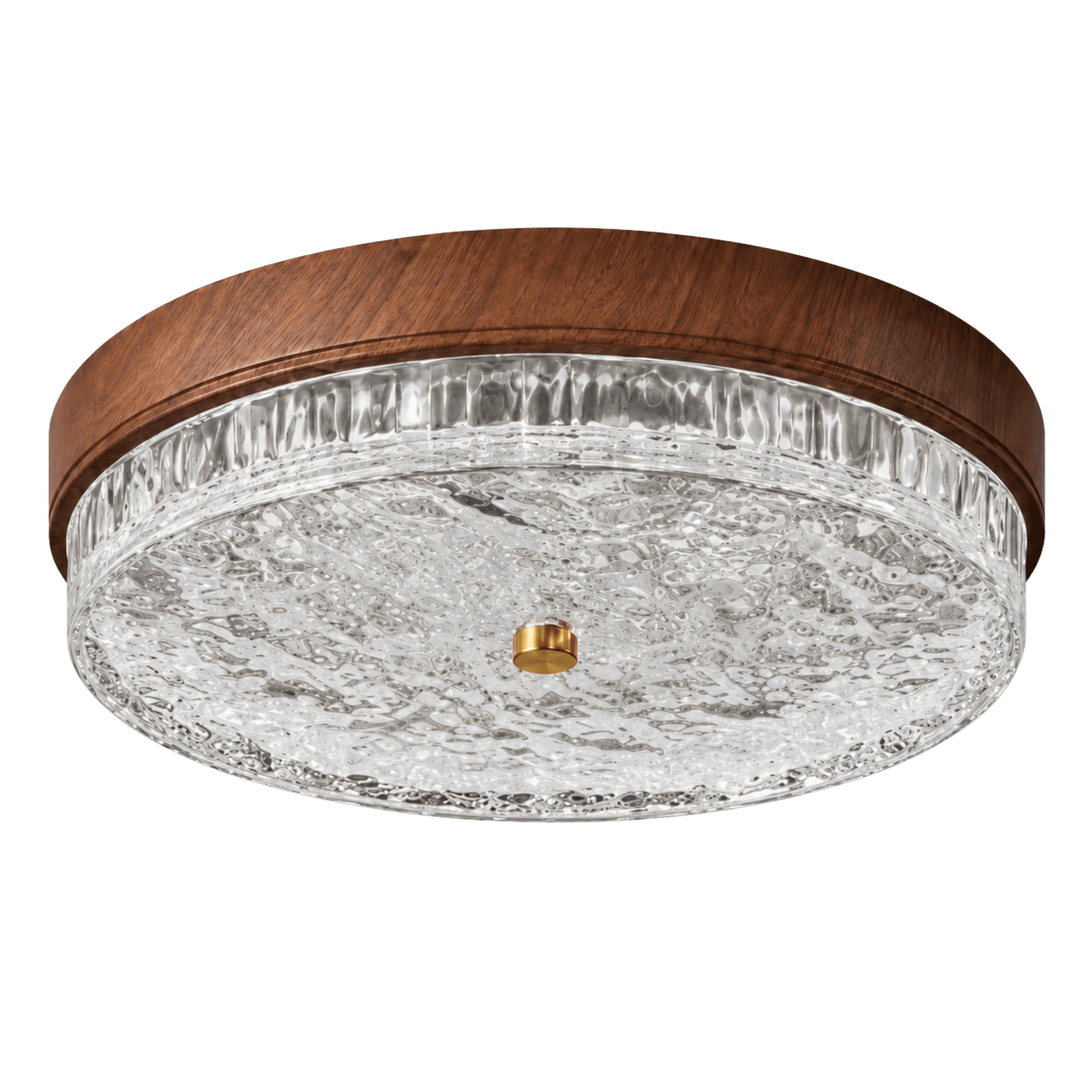
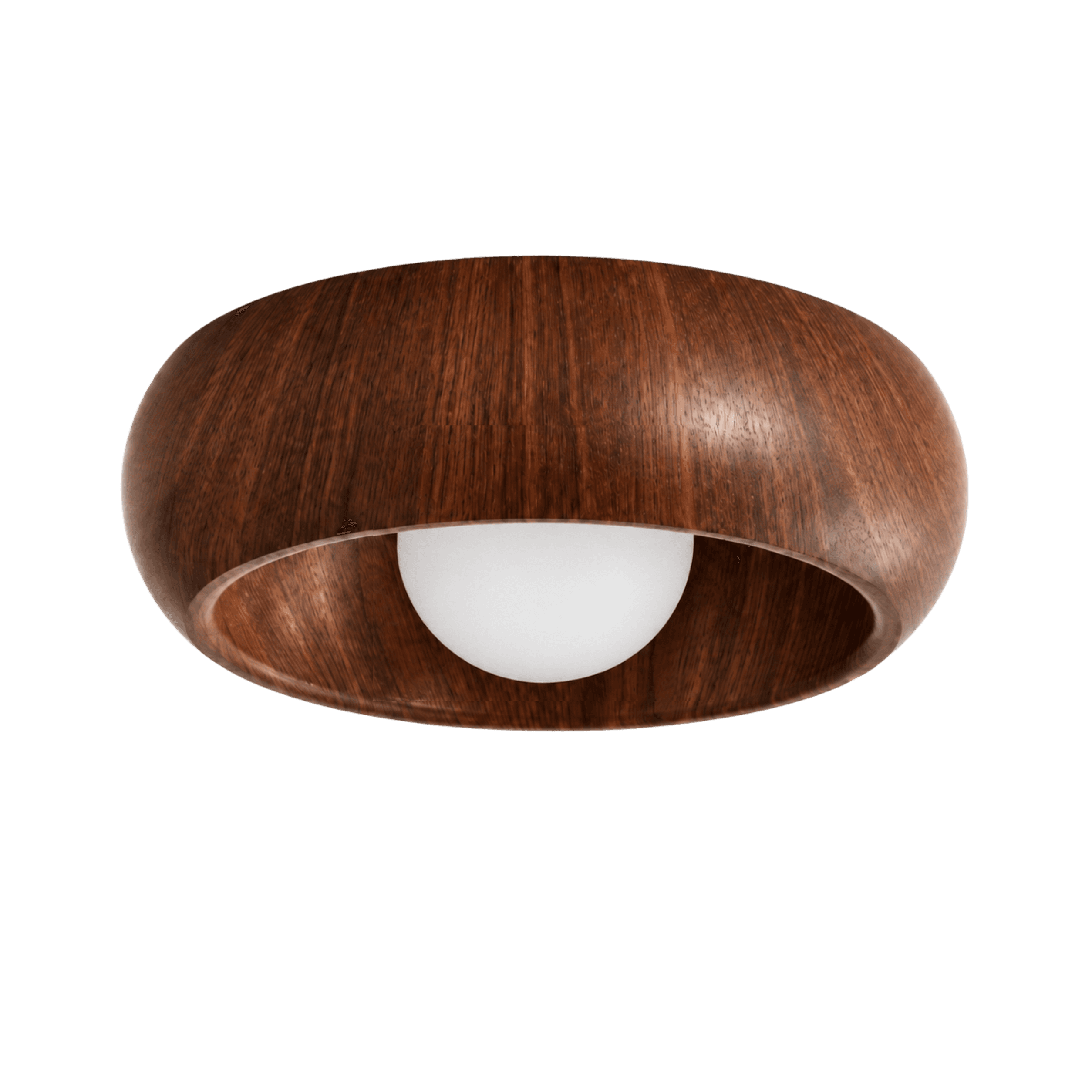
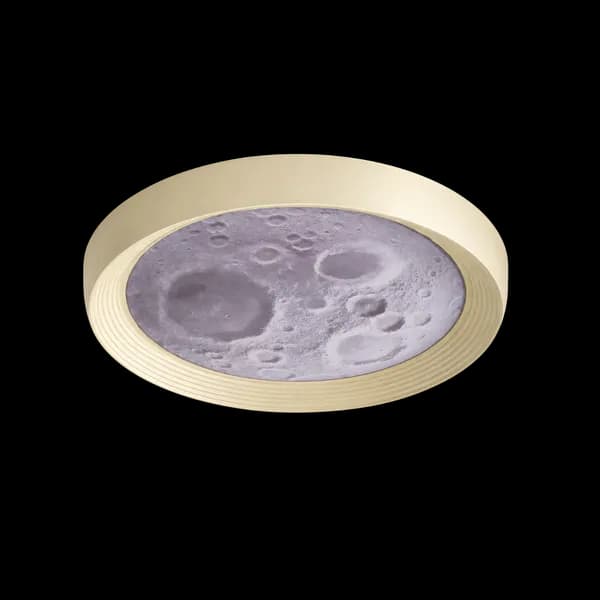
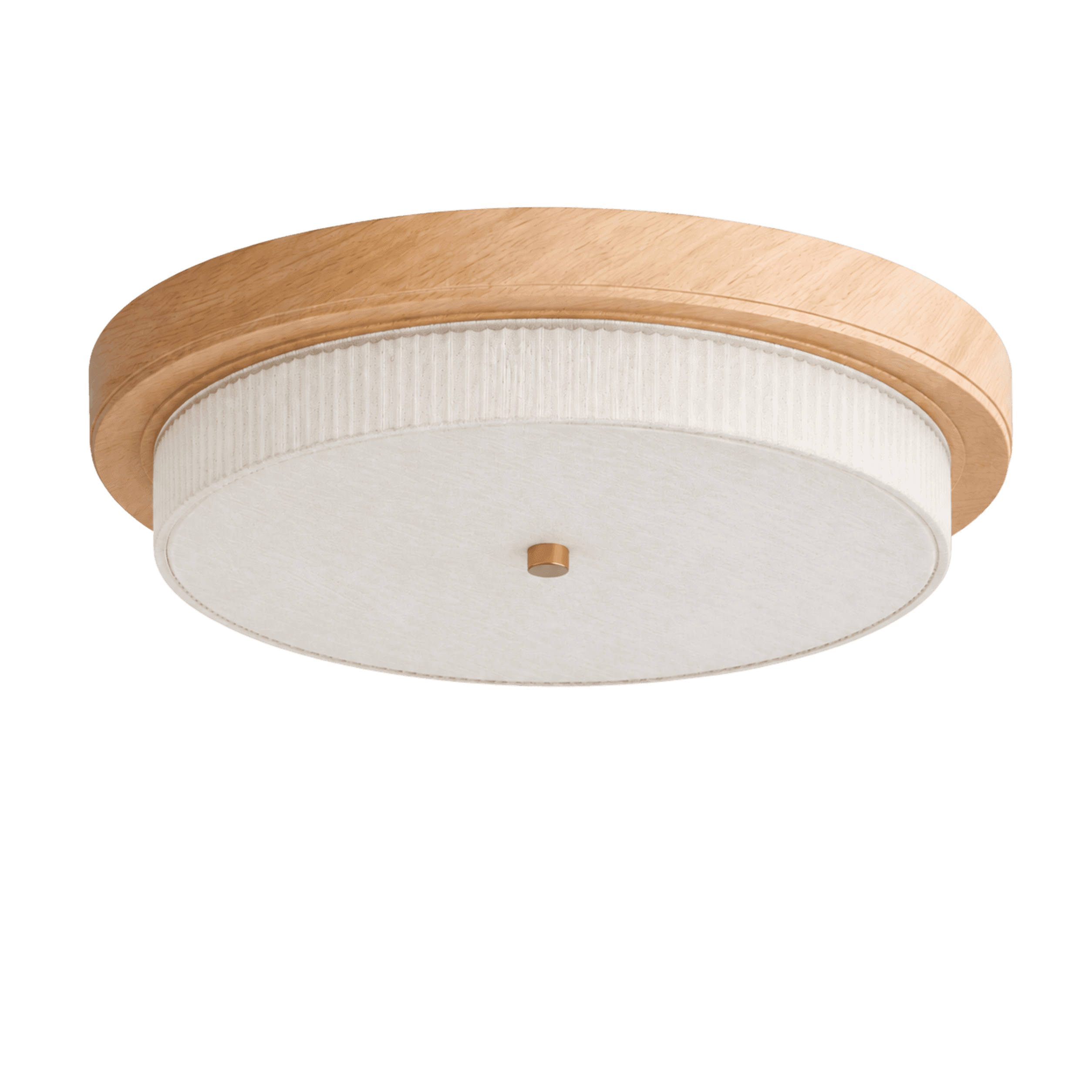
Choosing ceiling lights
Ceiling lights are the answer wherever a hanging fixture would be in the way: bedrooms with ceiling fans, hallways, bathrooms, and any room under nine feet. A flush mount sits tight to the ceiling; a semi-flush drops three to eight inches and reads less utilitarian.
Because a ceiling light is usually the only source in the room, colour temperature does more work here than anywhere else. Warm white, around 2700K, is right for bedrooms and living rooms; a neutral 3500K to 4000K suits kitchens and utility spaces.
For general lighting, budget roughly 20 lumens per square foot of floor area, and layer a lamp or two on top rather than pushing a single fixture brighter than the room wants.
Ceiling Lights — common questions
What is the difference between a flush and semi-flush ceiling light?
A flush mount sits directly against the ceiling and is the safest choice under nine feet. A semi-flush hangs three to eight inches below, which adds shape and lets light wash upward, but needs a little more headroom.
What colour temperature should I choose?
Warm white at about 2700K for bedrooms and living rooms, neutral 3500K to 4000K for kitchens, bathrooms and workspaces. Keep one temperature per room — mixing them is what makes a space feel unresolved.
Will a ceiling light work with a ceiling fan in the same room?
Yes, and a flush mount is the usual pairing. Mount the light clear of the blade sweep so the blades do not chop the beam into a flicker.