
Living Room Chandeliers
Sized, hung and dimmed for the room you actually sit in.

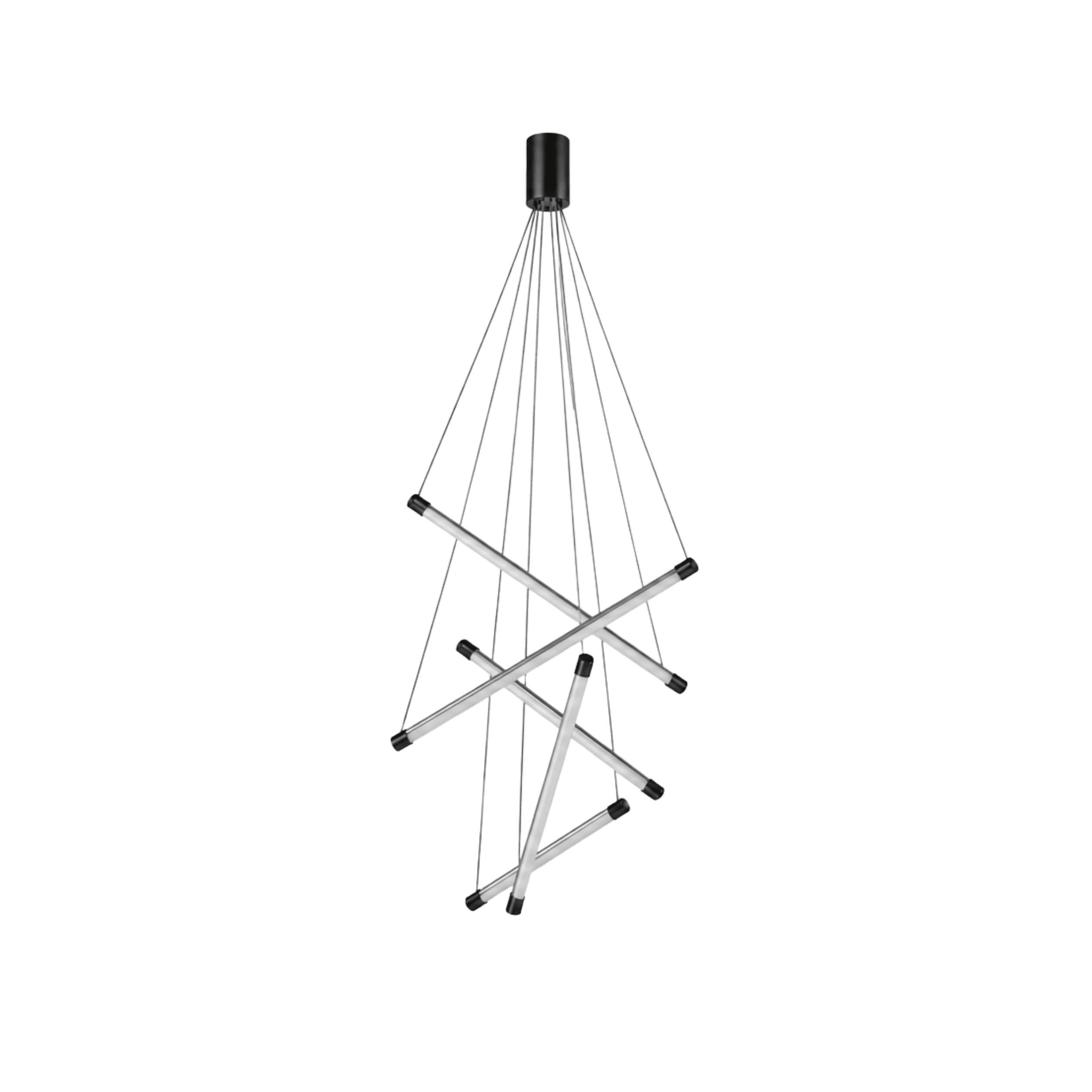
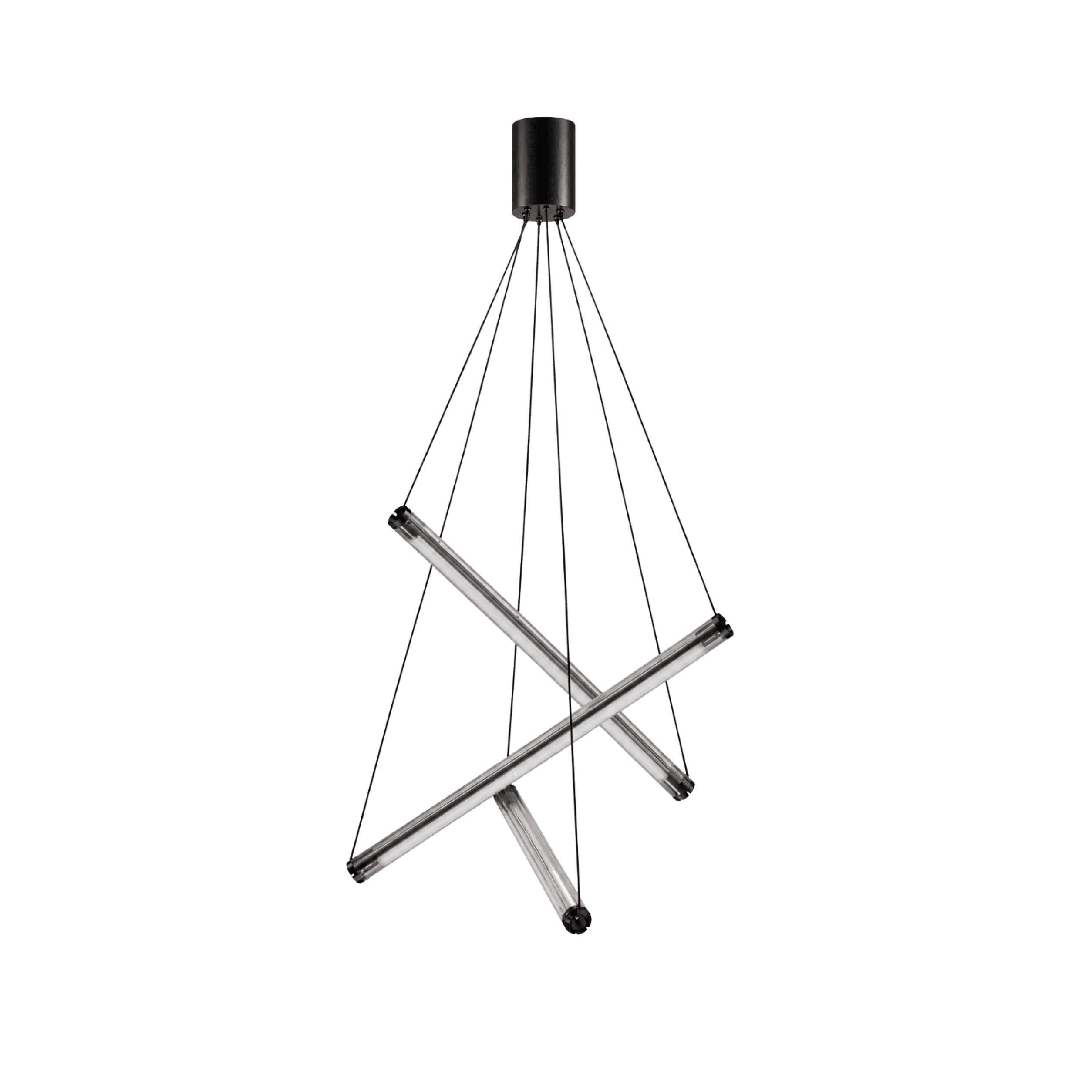


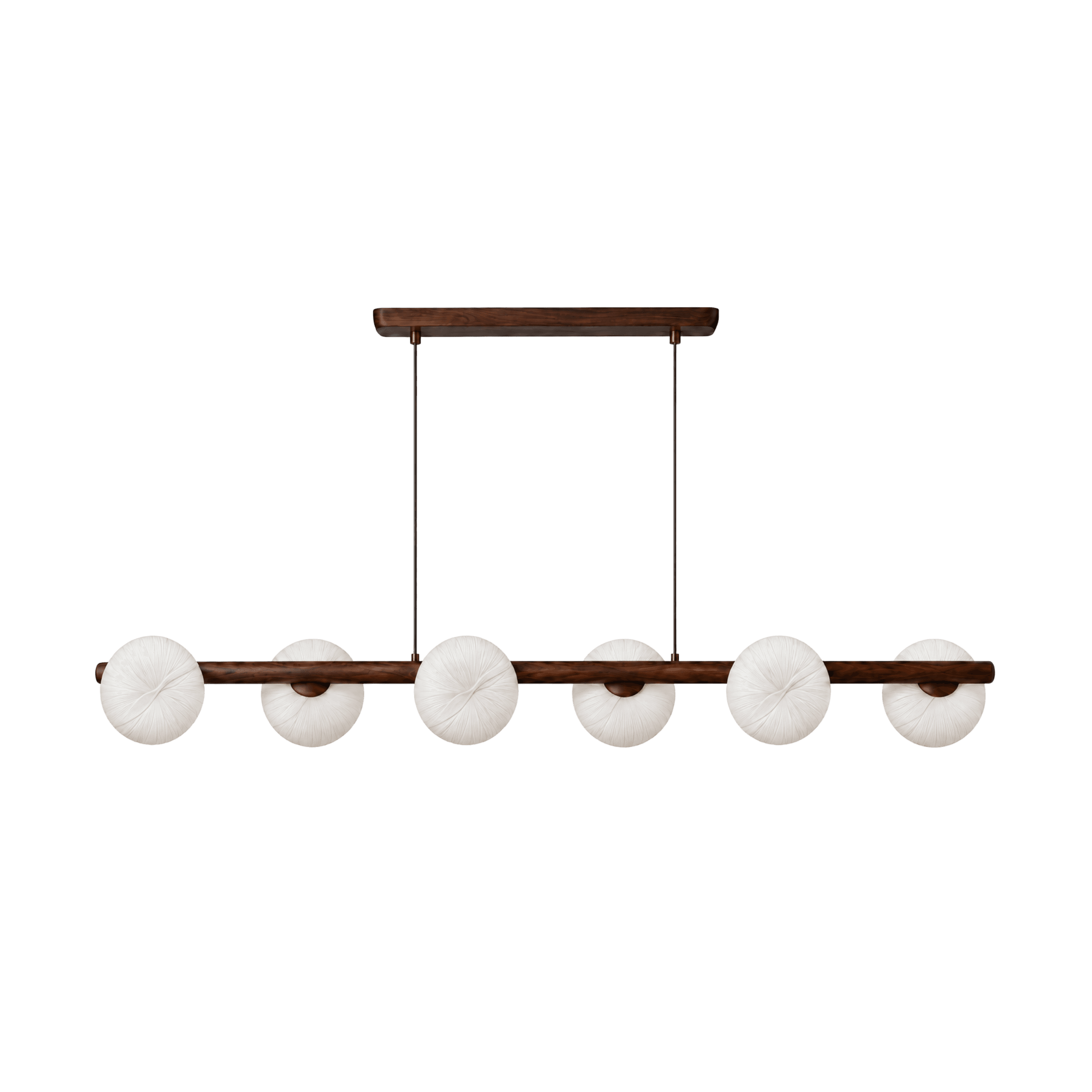


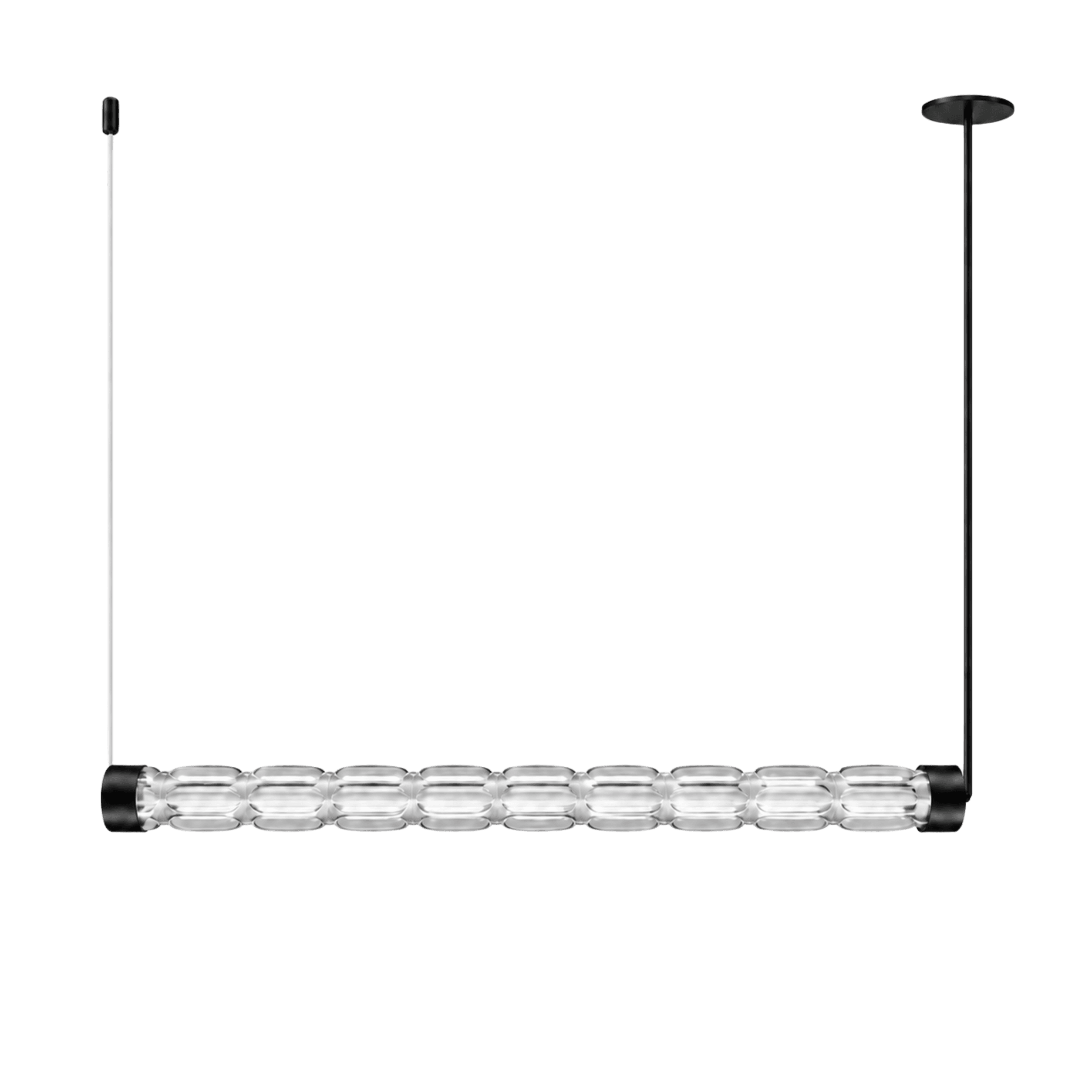
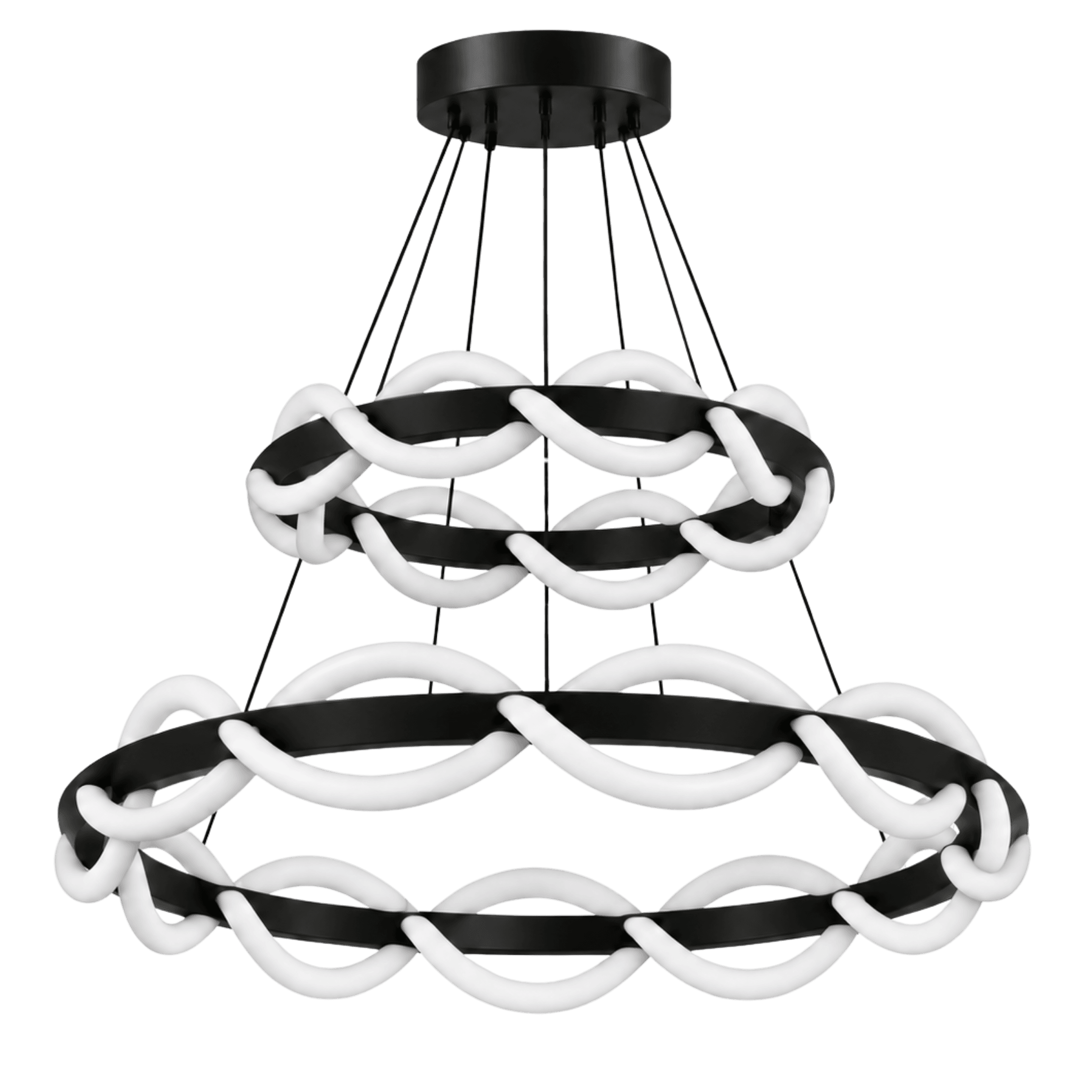

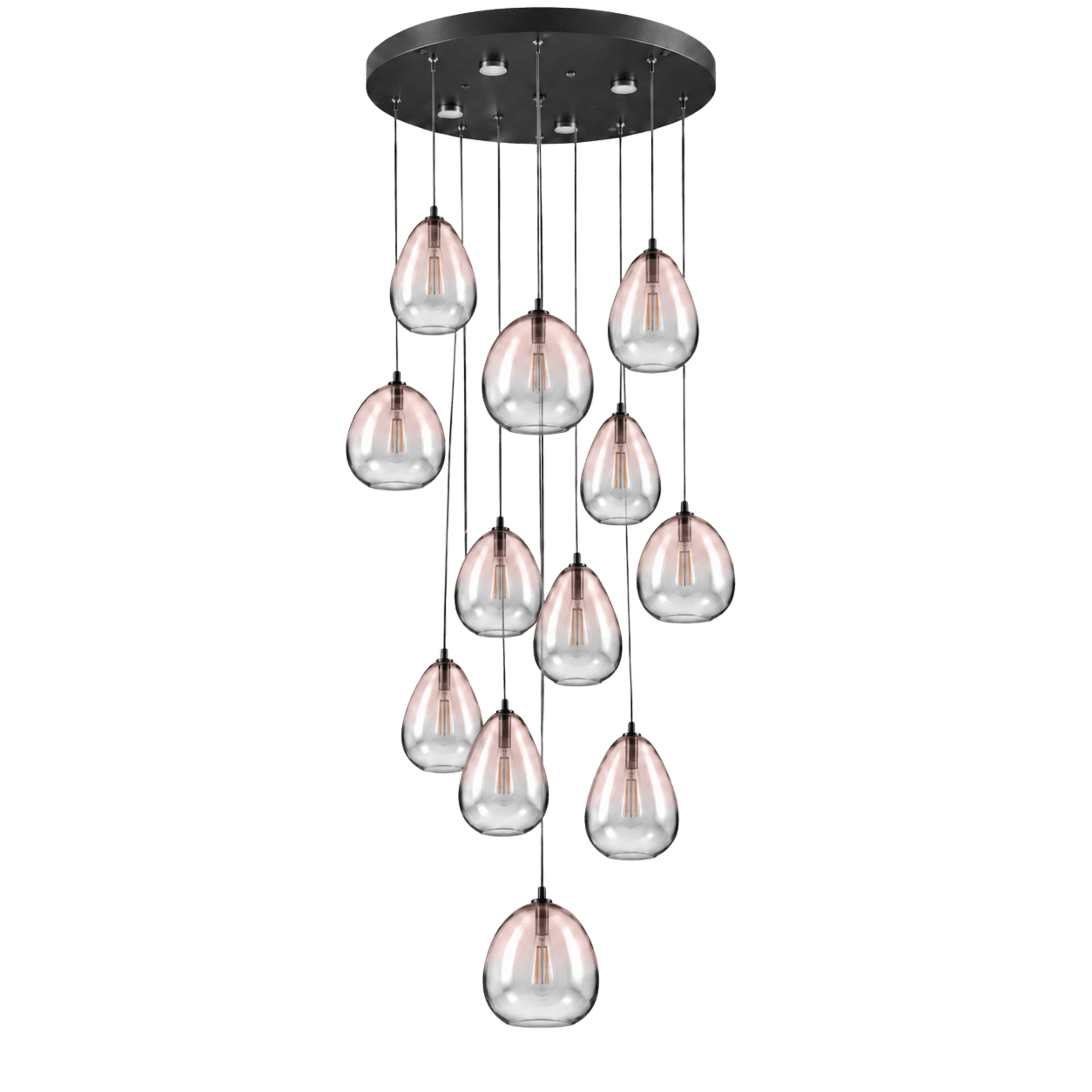


.png&w=3840&q=75)
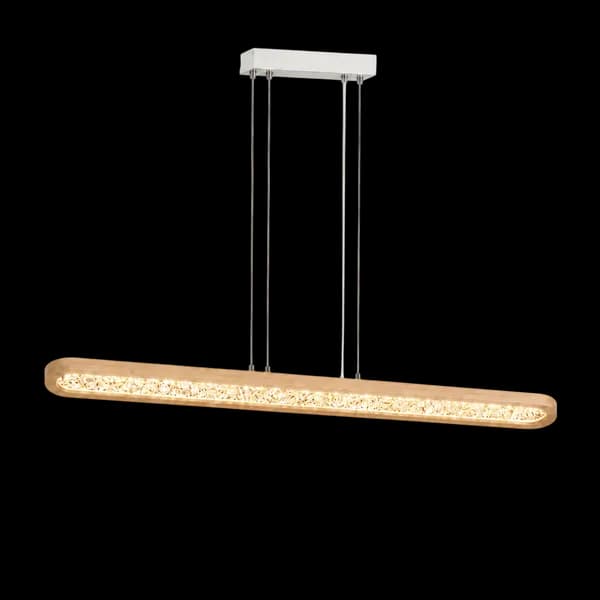

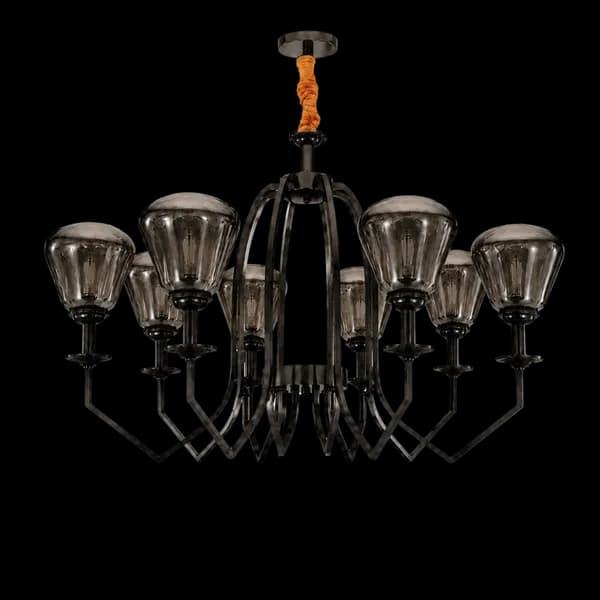



.png&w=3840&q=75)

.png&w=3840&q=75)

.png&w=3840&q=75)









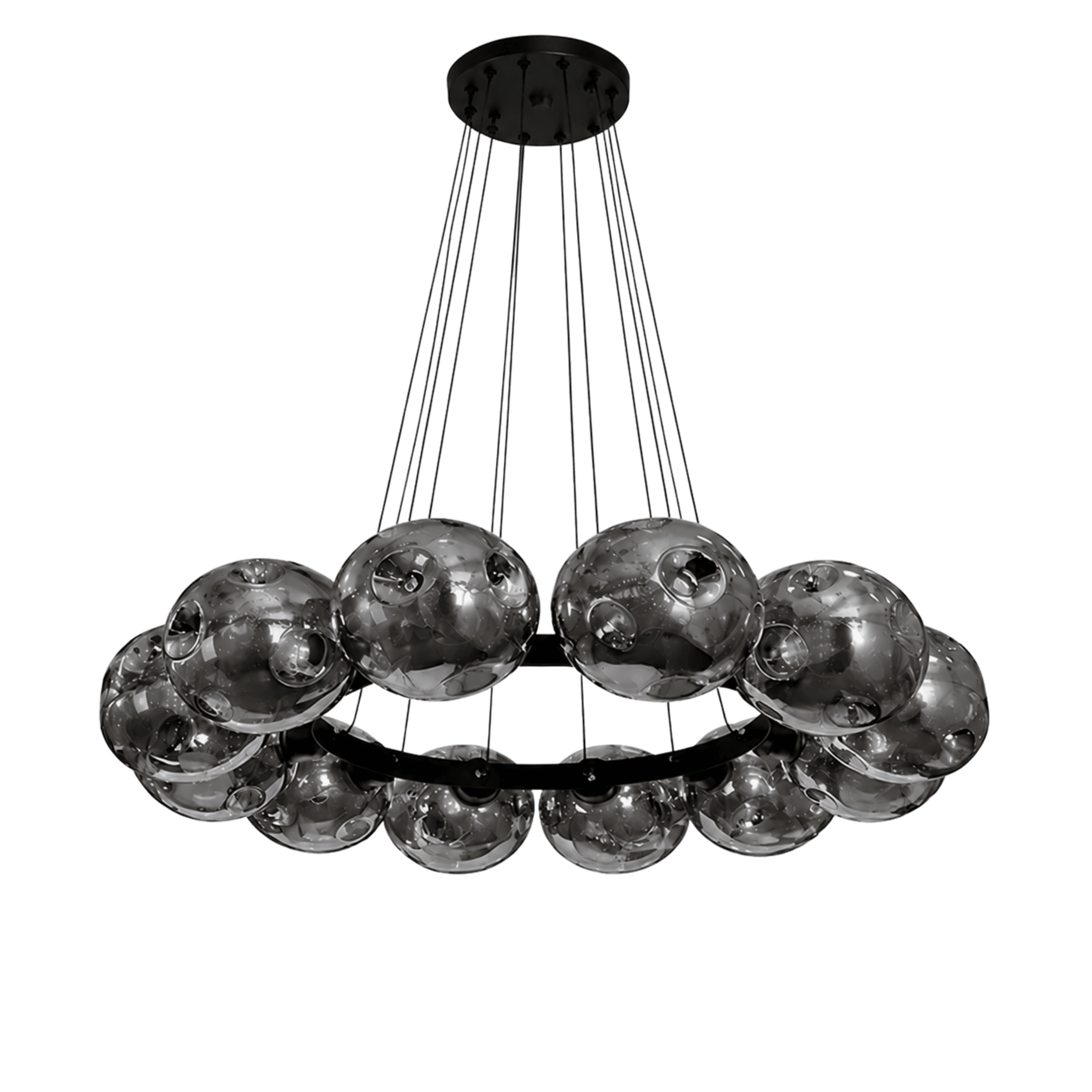
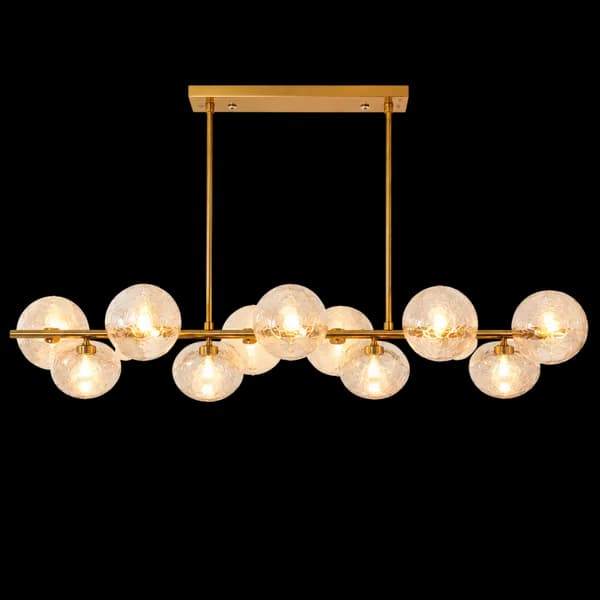

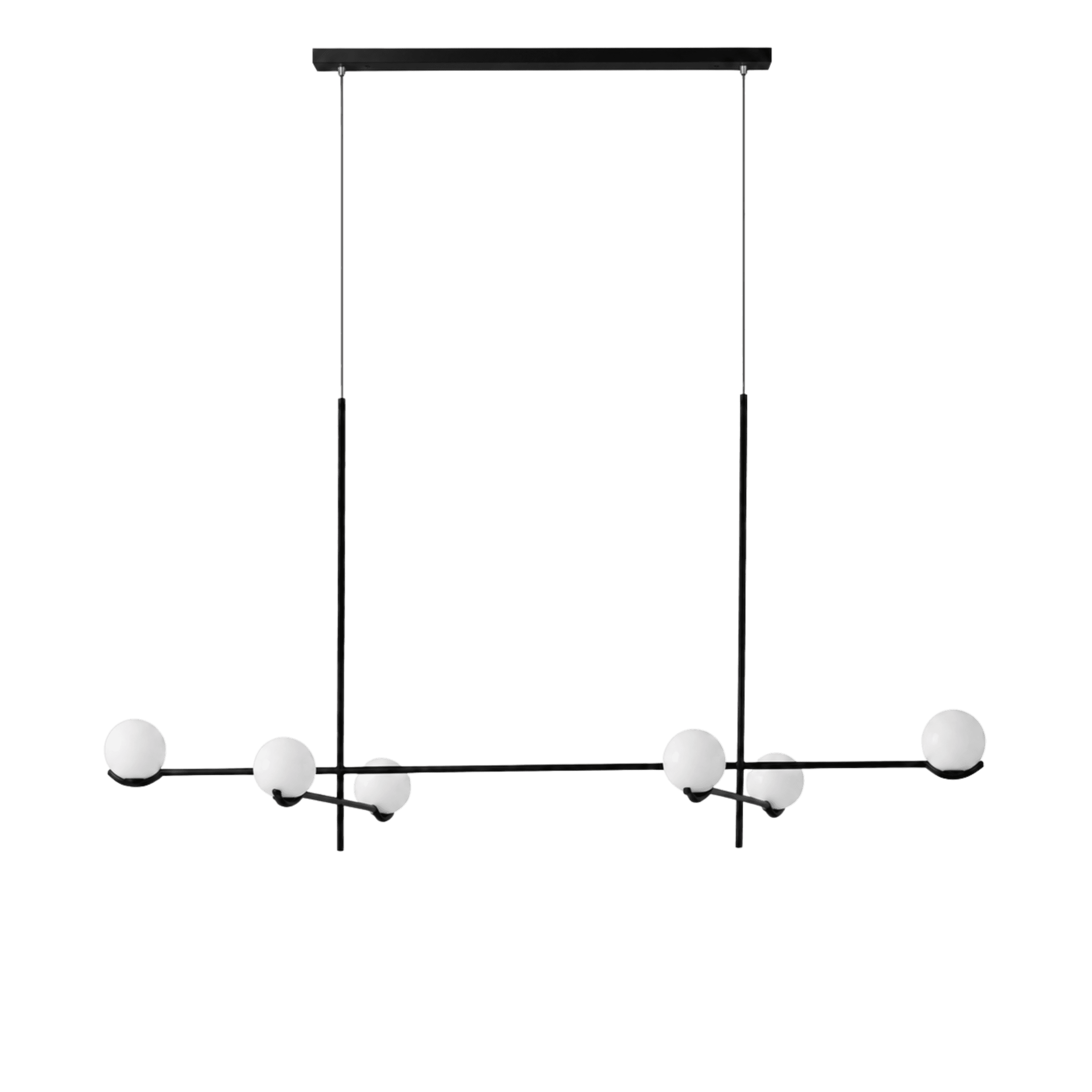


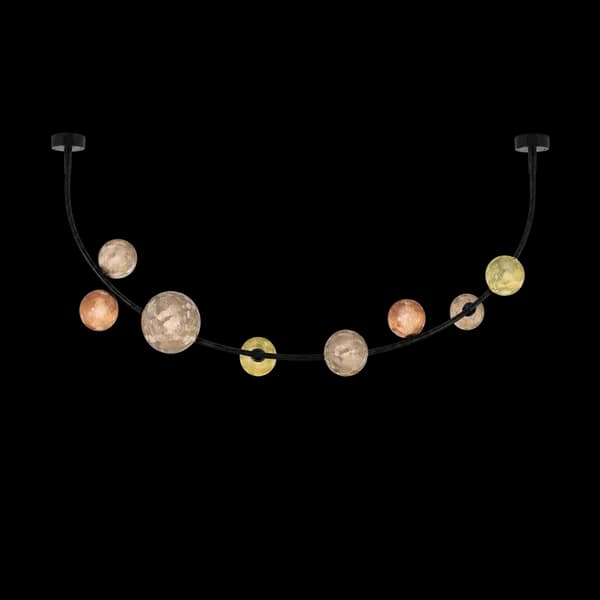









.webp&w=3840&q=75)

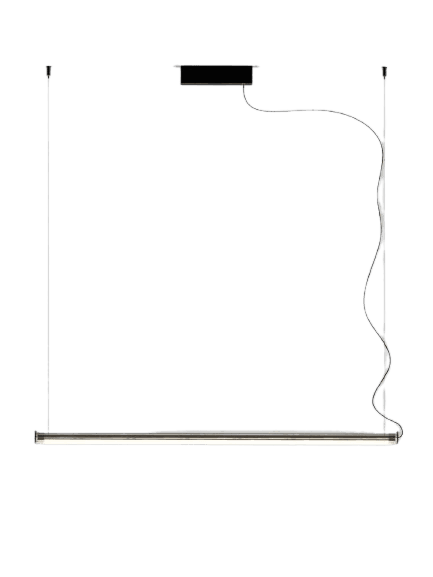

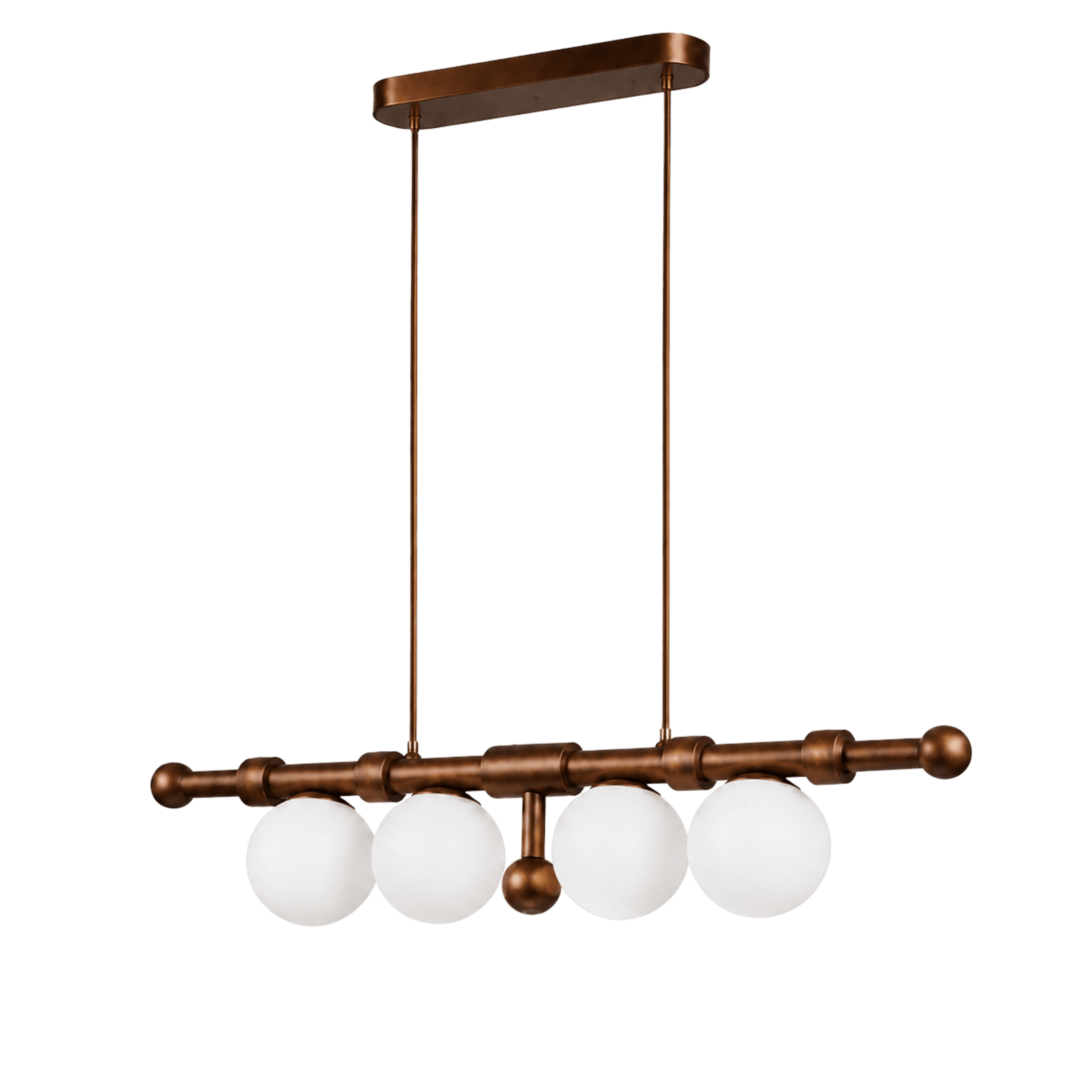


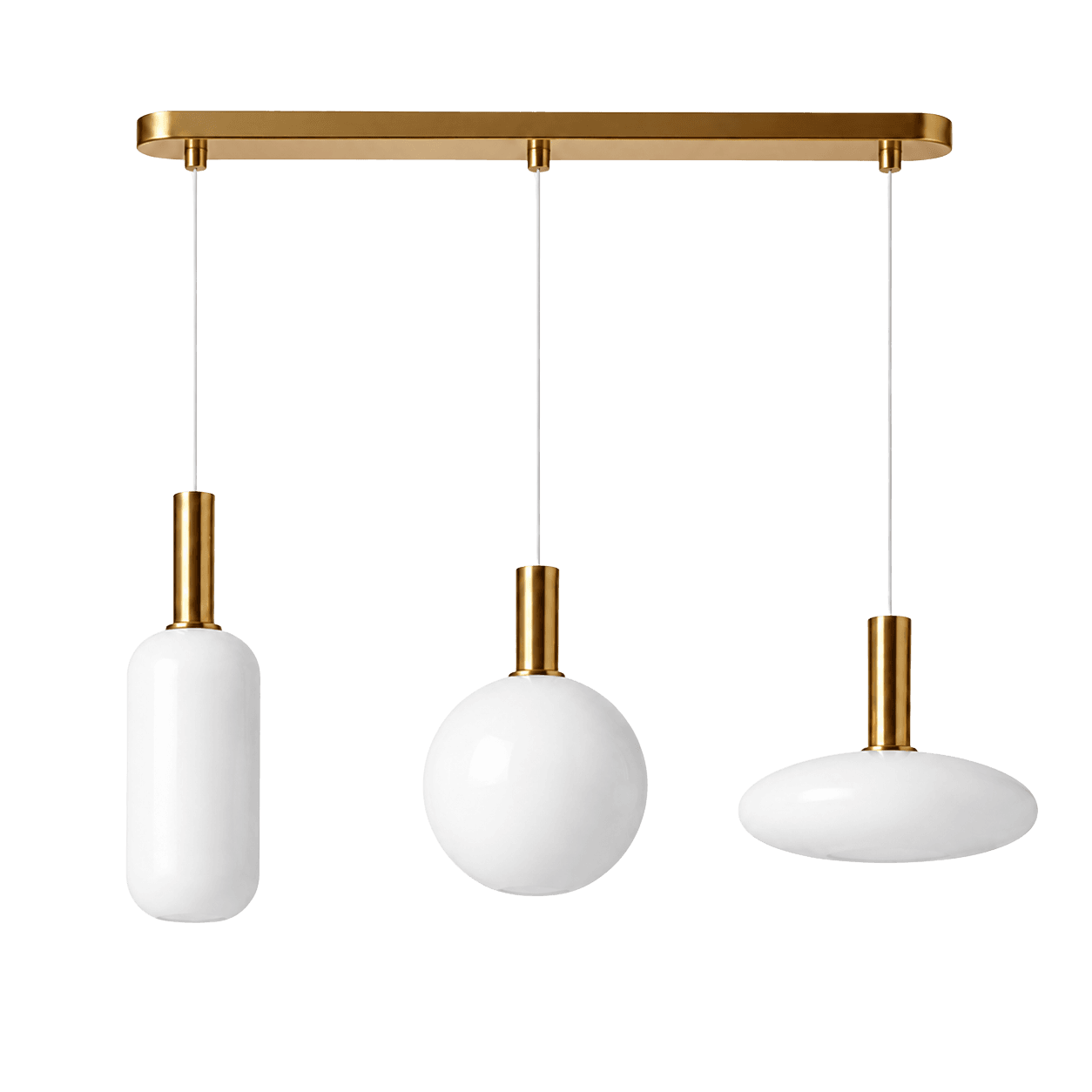


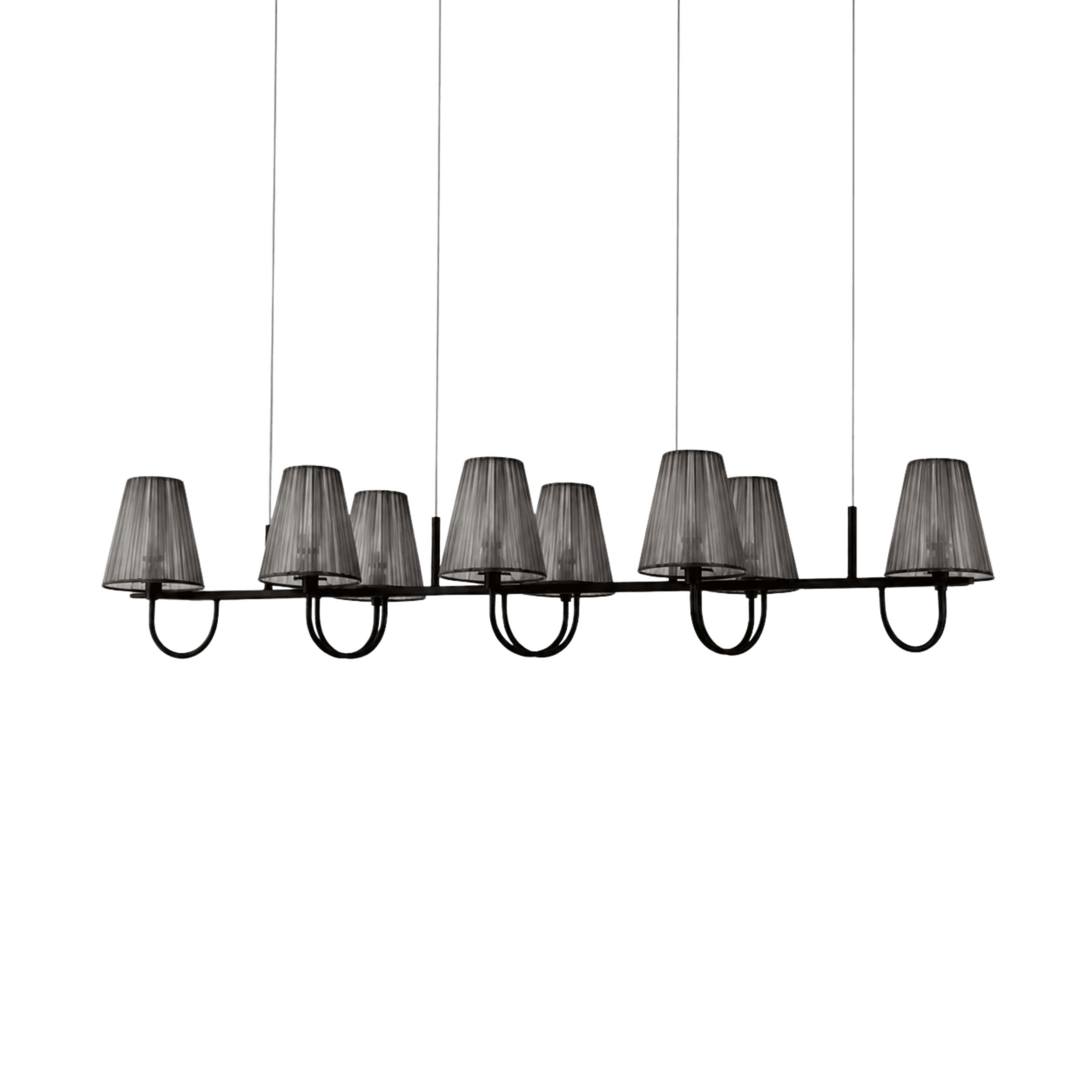
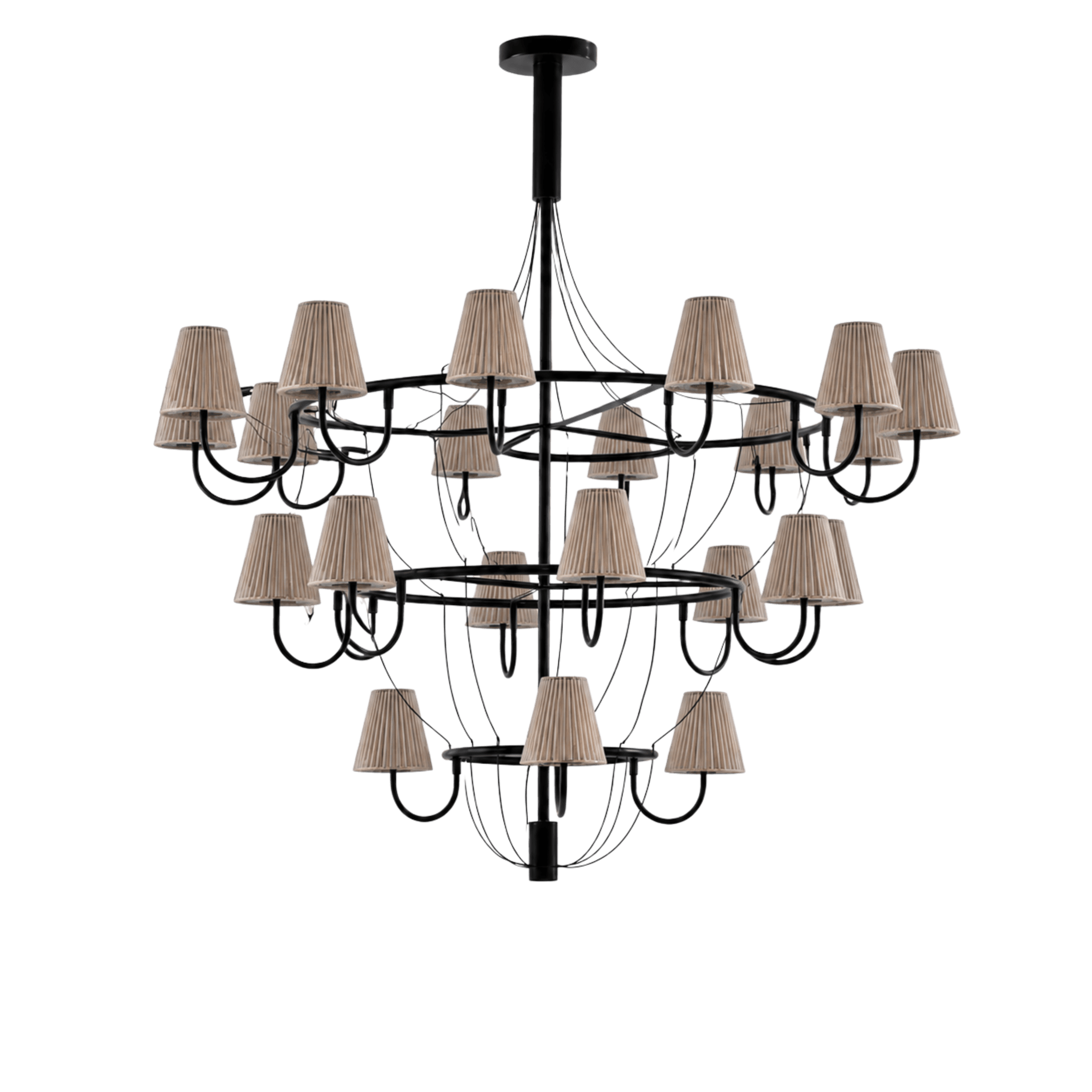
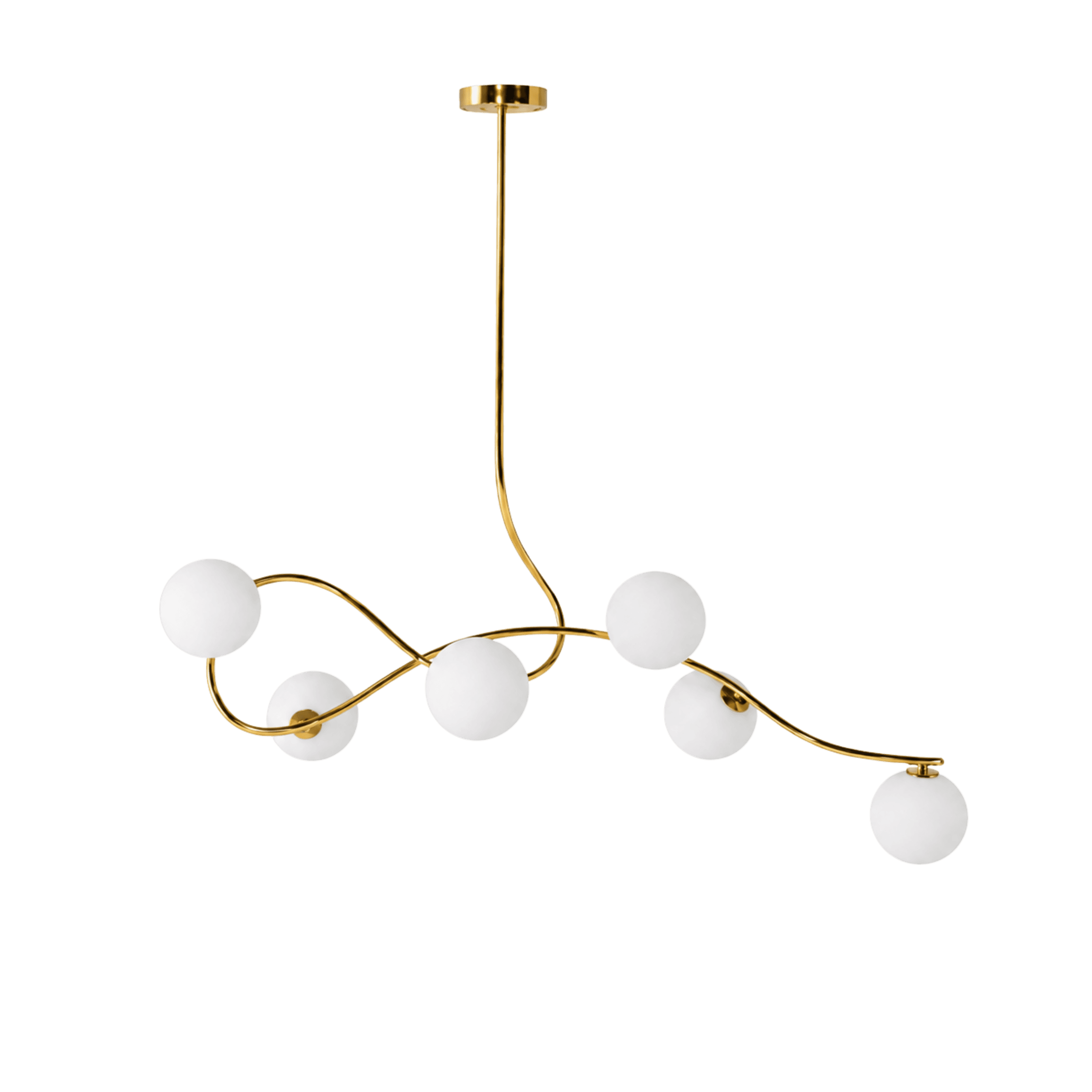





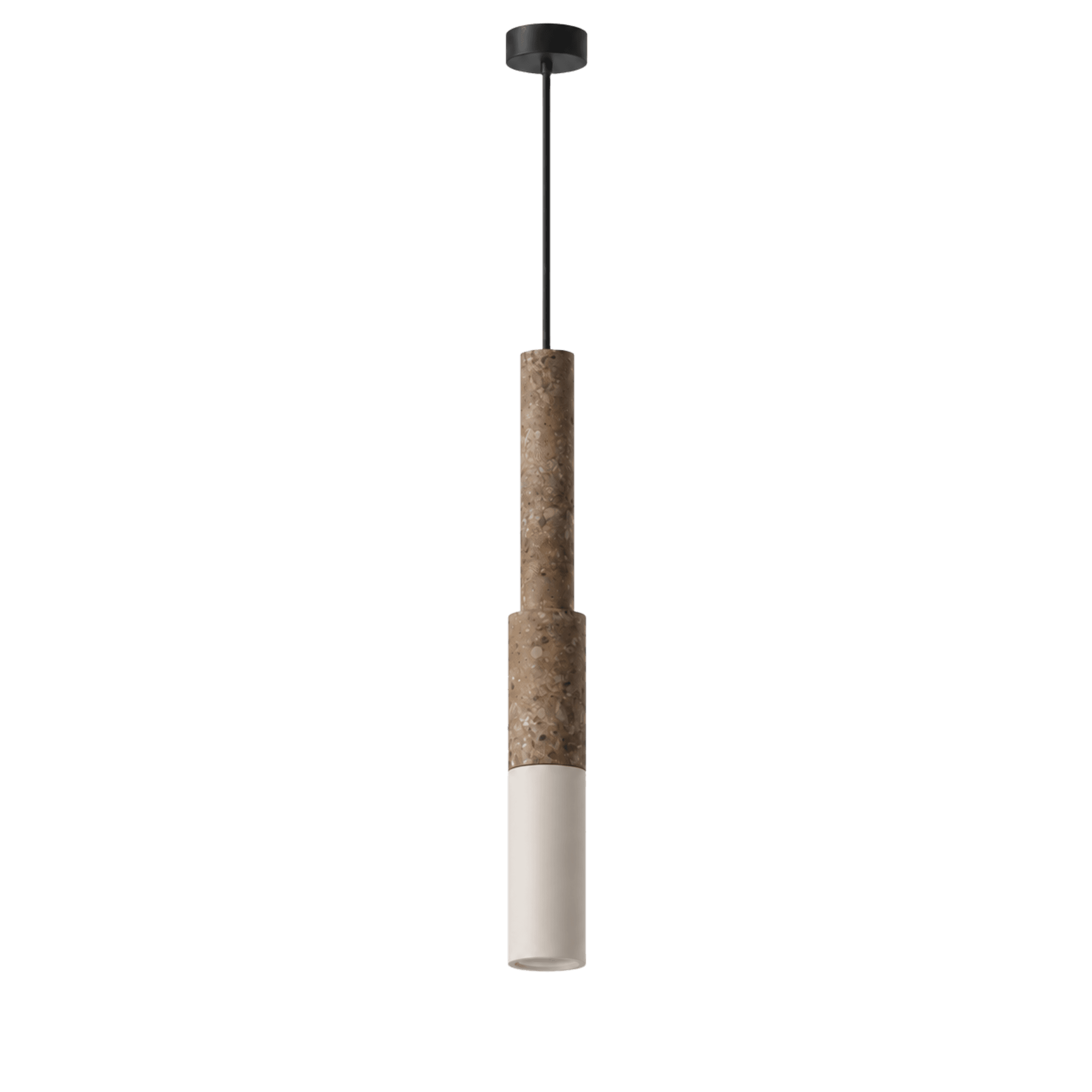

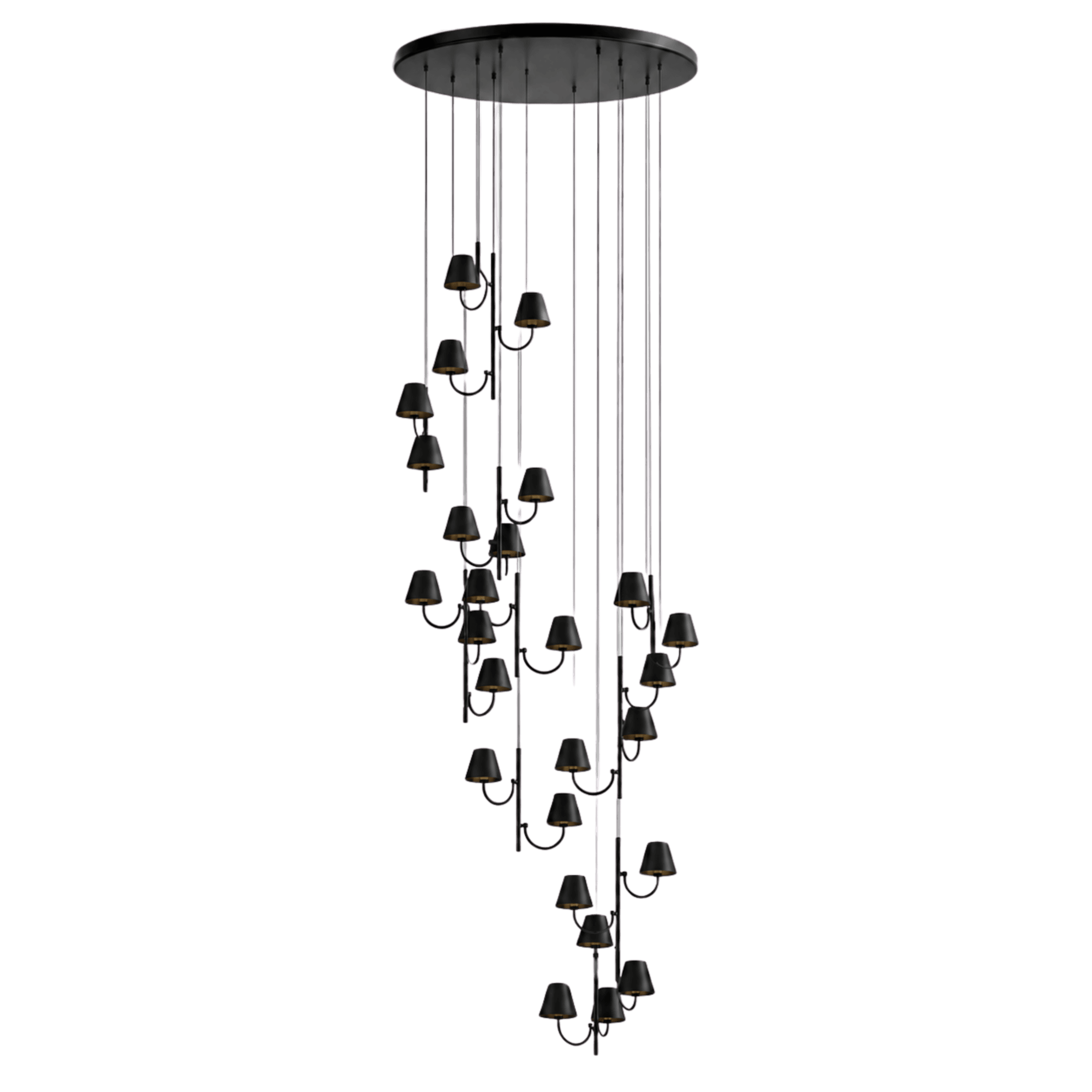
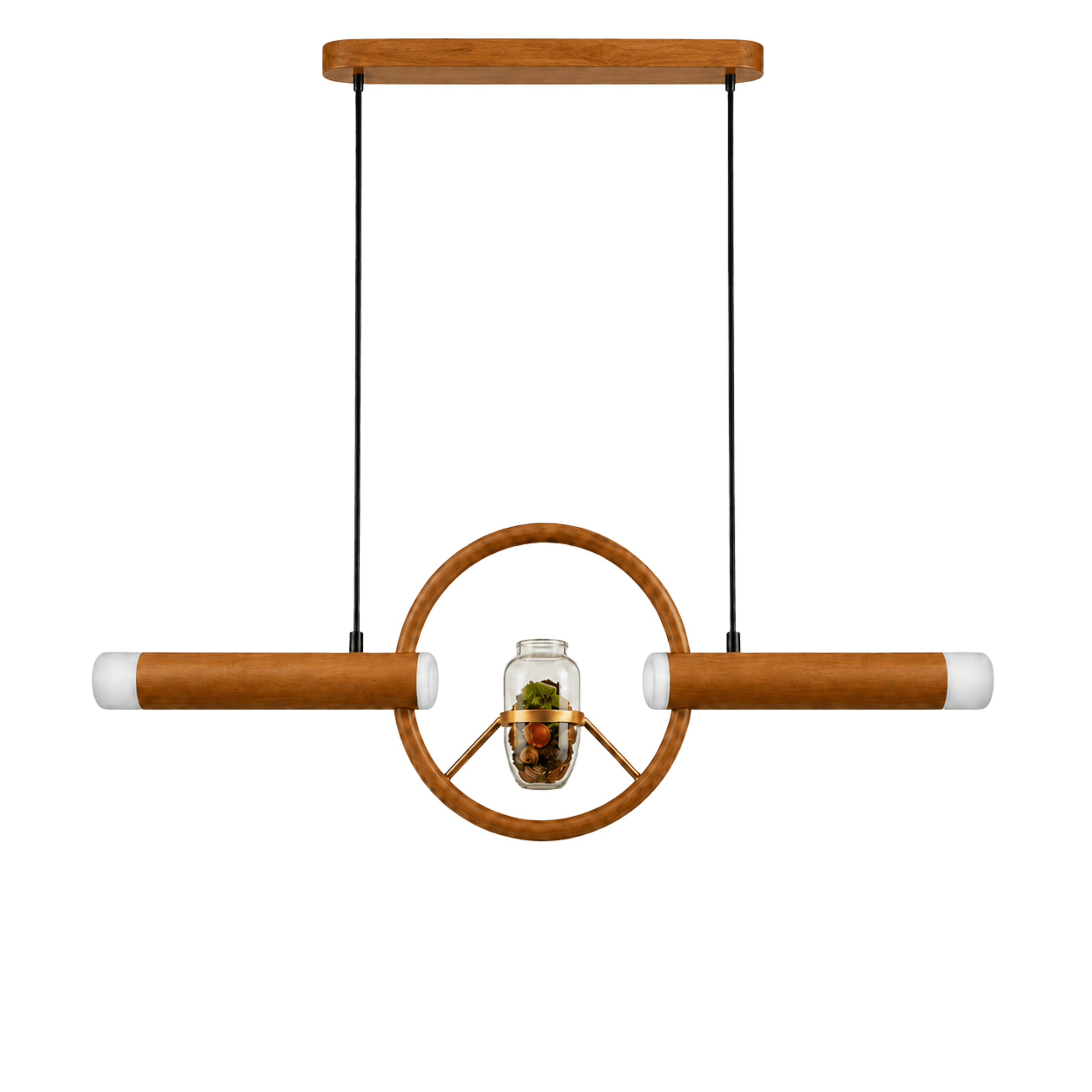
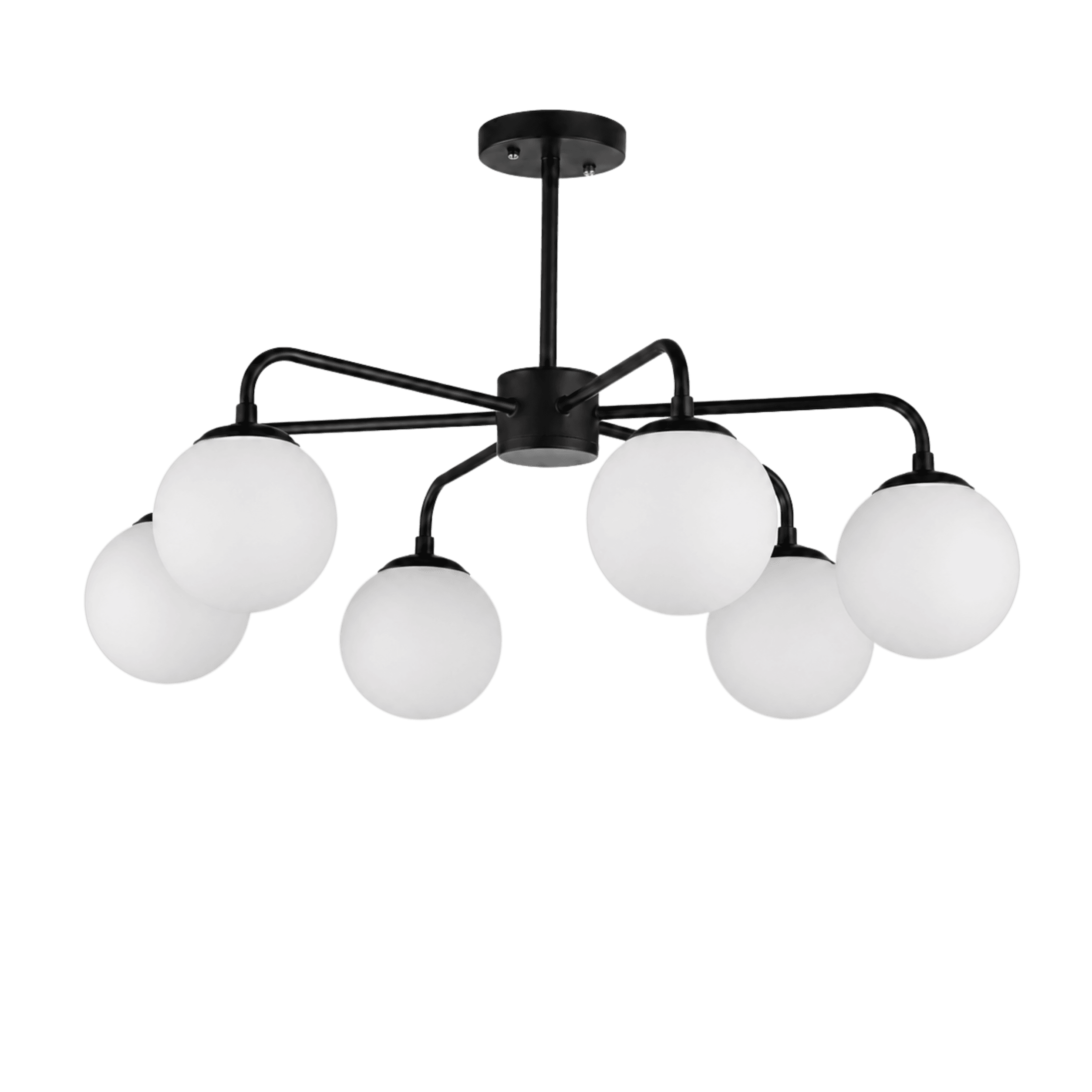
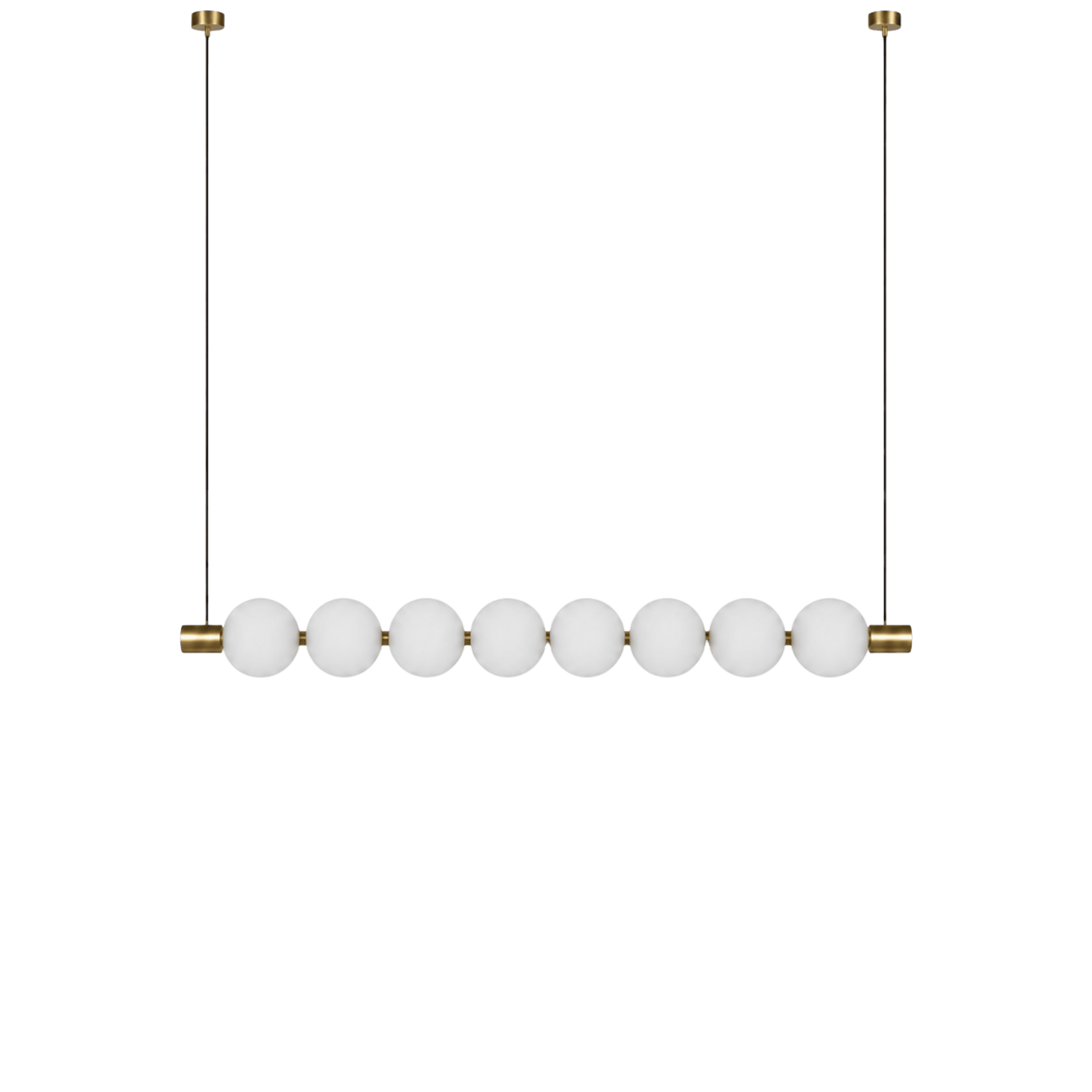
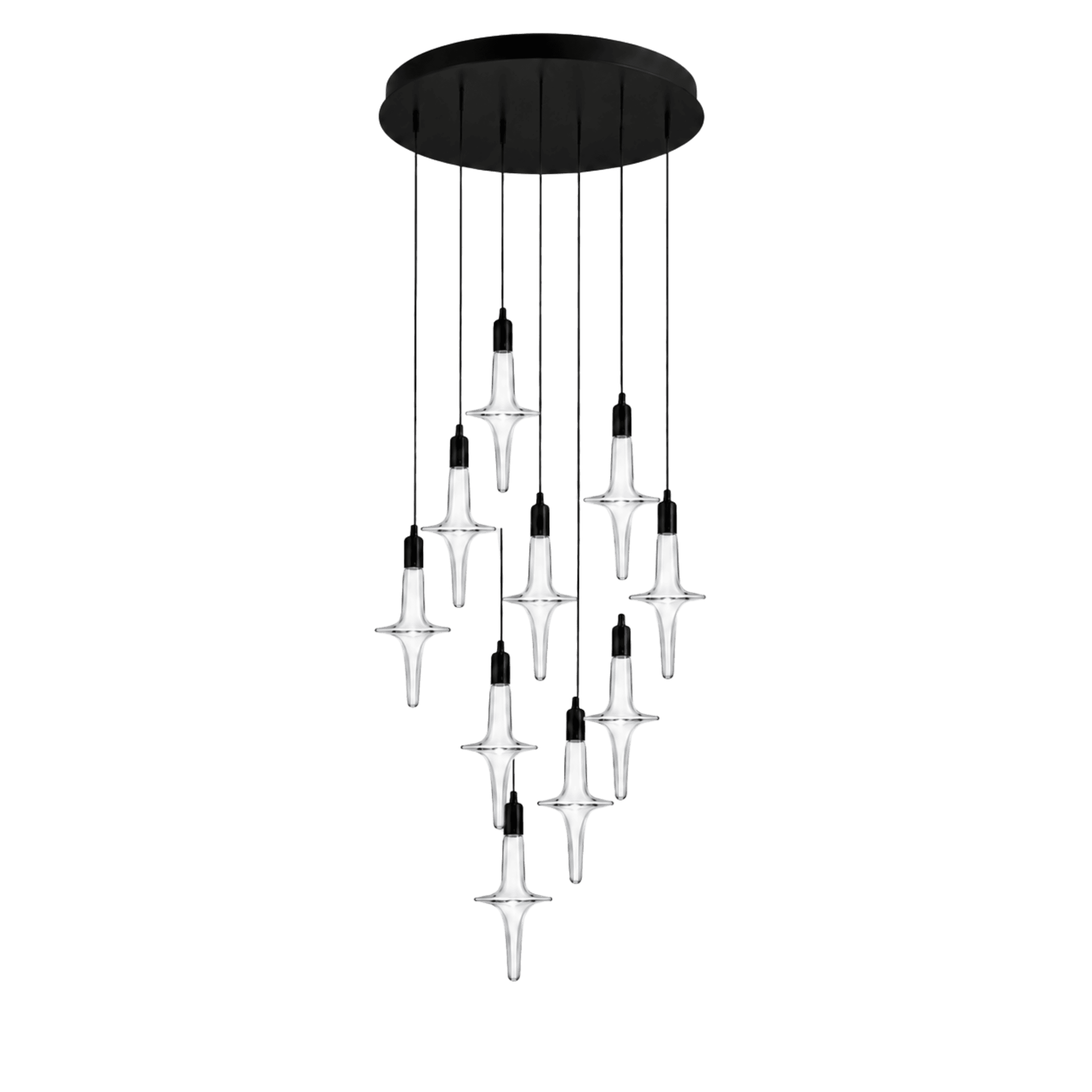





Choosing living room chandeliers
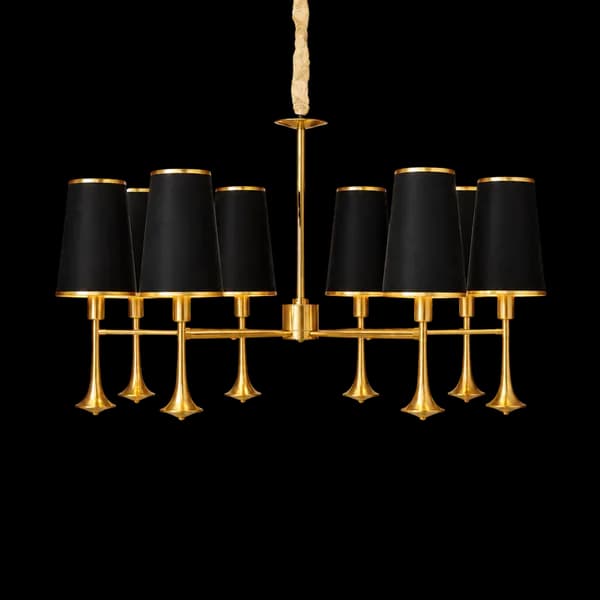
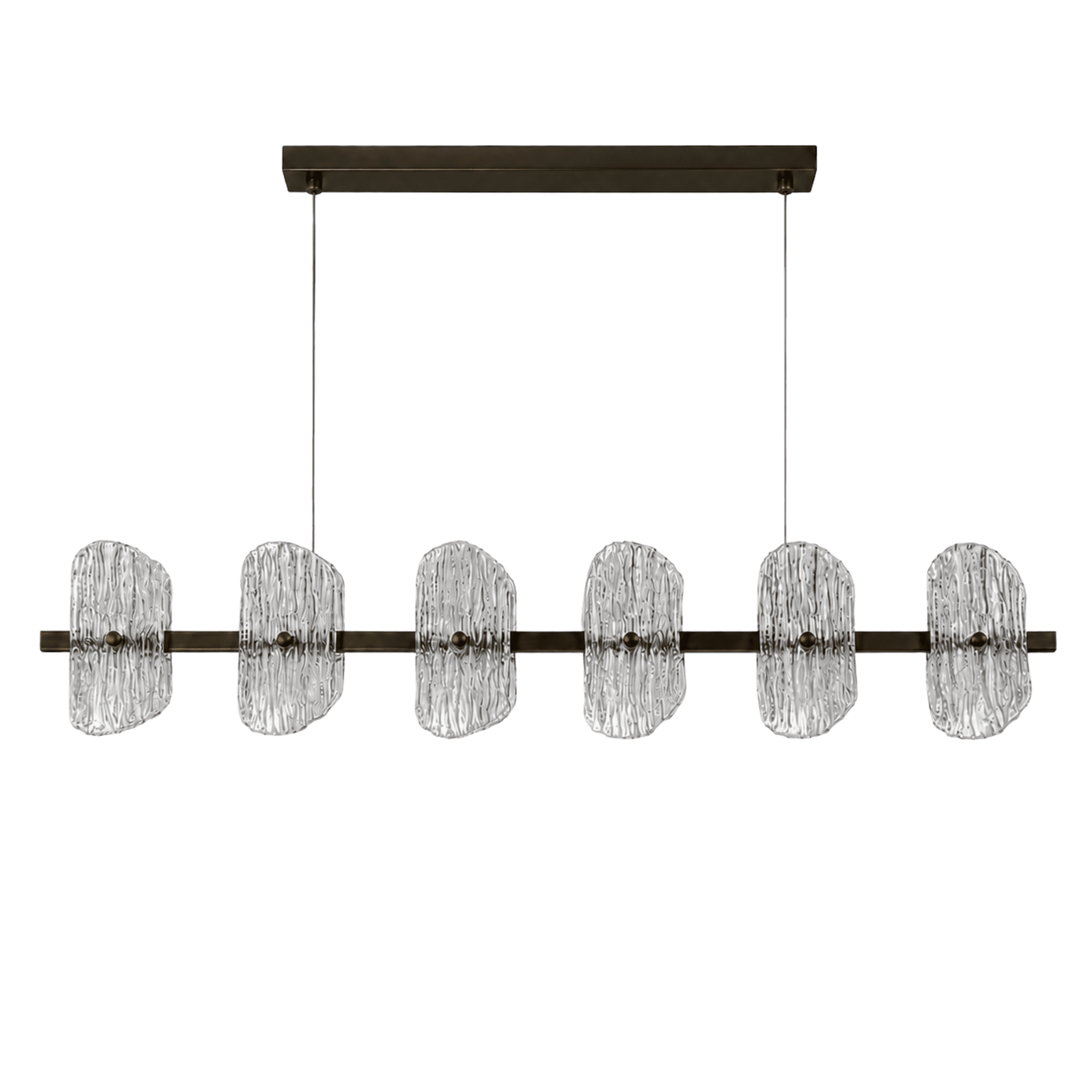
A living room chandelier is not sized to the room’s furniture, it is sized to the room. Add the length and width in feet and read the answer in inches: a 14 by 18 foot room takes a 32-inch fixture. Going smaller is the single most common mistake, and it reads as an afterthought from the doorway.
Clearance is the other half. Keep at least seven feet from the floor to the bottom of the fixture in any space people walk under. On a nine-foot ceiling that leaves roughly two feet of drop to play with; over a coffee table, where nobody walks, you can hang lower and let the piece do more work.
A living room is used at every brightness from film-watching to hosting, so the chandelier should never be the only source. Pair it with wall lights or a floor lamp and put the chandelier on a dimmer — every LitMeUp fixture is dimmable as standard.
Living Room Chandeliers — common questions
What size chandelier suits a living room?
Add the room’s length and width in feet; that figure in inches is a good diameter. A 12 by 14 foot room suits a 26-inch chandelier, an 14 by 18 foot room a 32-inch one. For ceilings above ten feet, add two to three inches of height for every extra foot.
How low should a chandelier hang in a living room?
Leave at least seven feet of clearance from the floor to the bottom of the fixture wherever people walk. Over a coffee table or a seating island you can drop lower, to roughly seven feet six from the floor at most.