
Wooden Pendant Lights
Handcrafted pendant lights in wood.
.png&w=3840&q=75)
.png&w=3840&q=75)
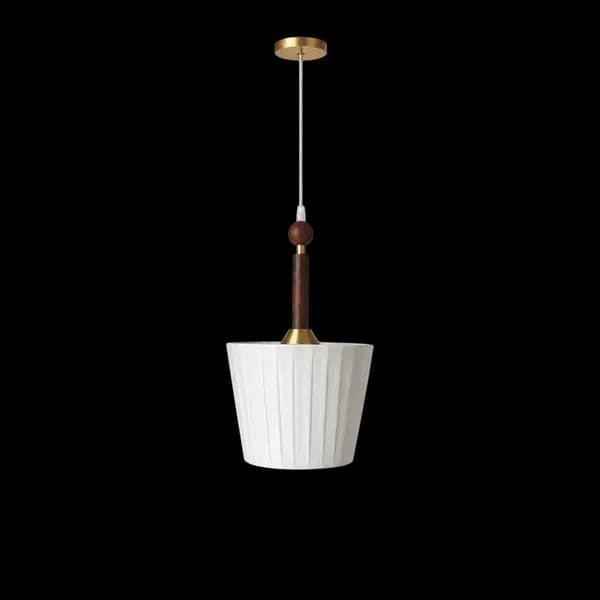
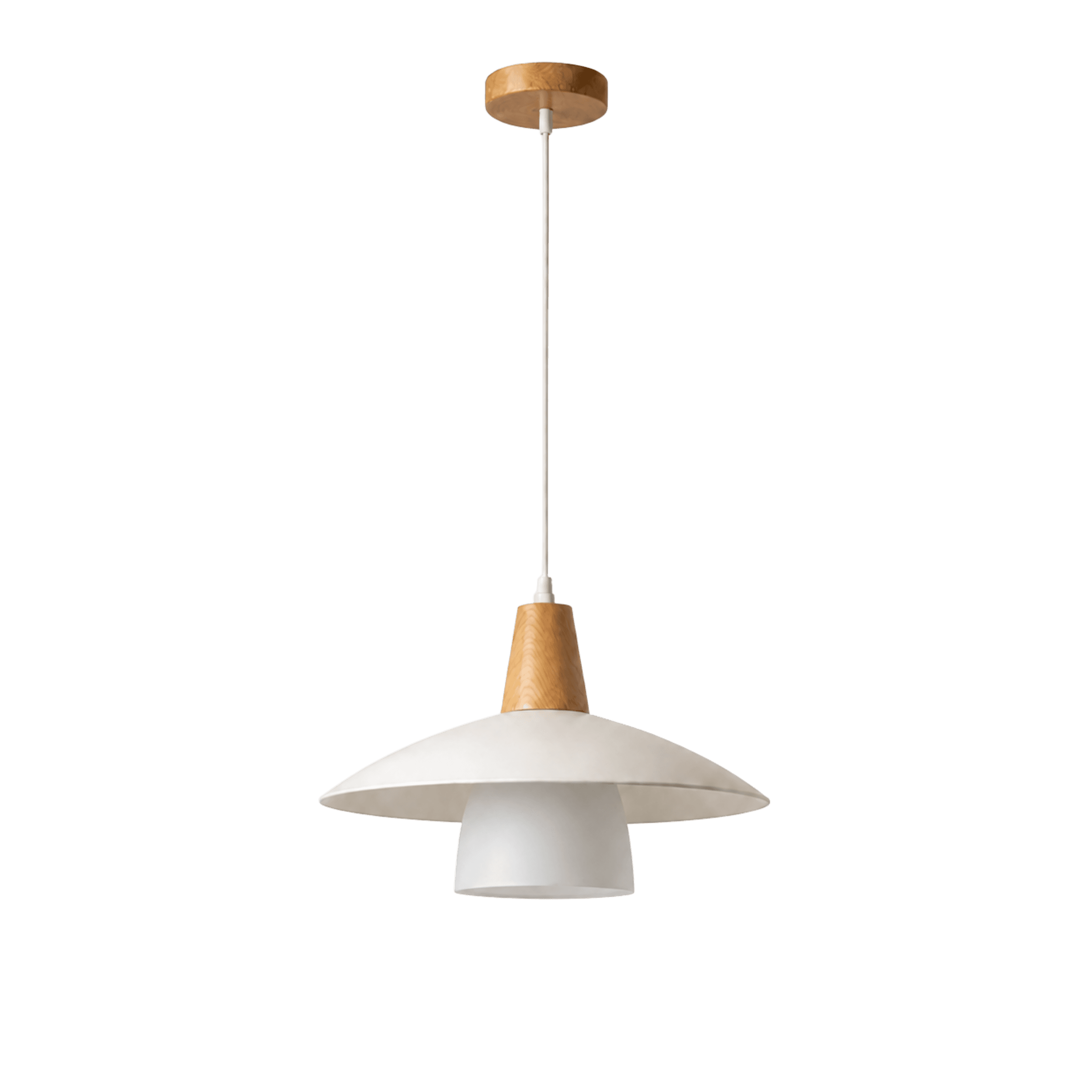
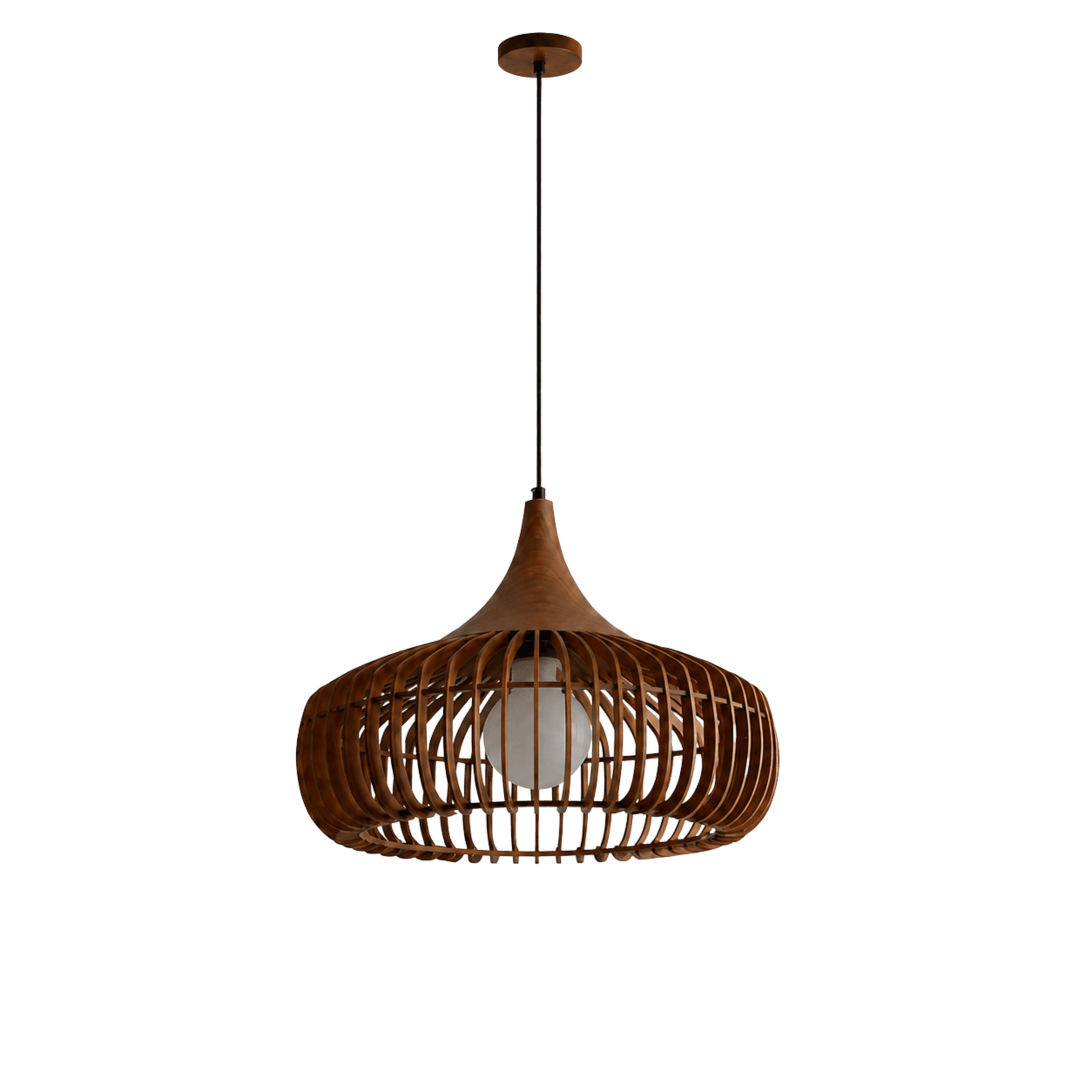
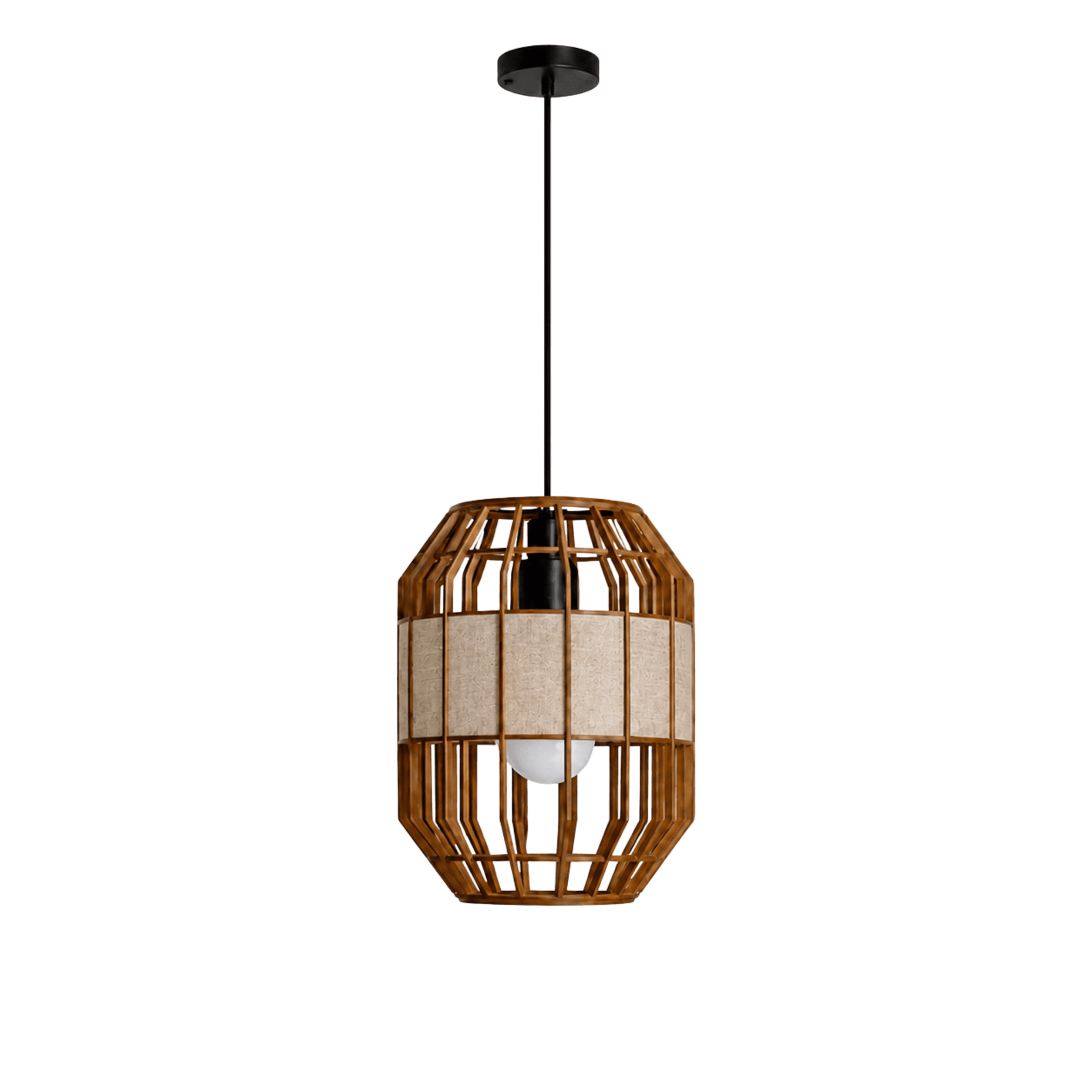
.png&w=3840&q=75)
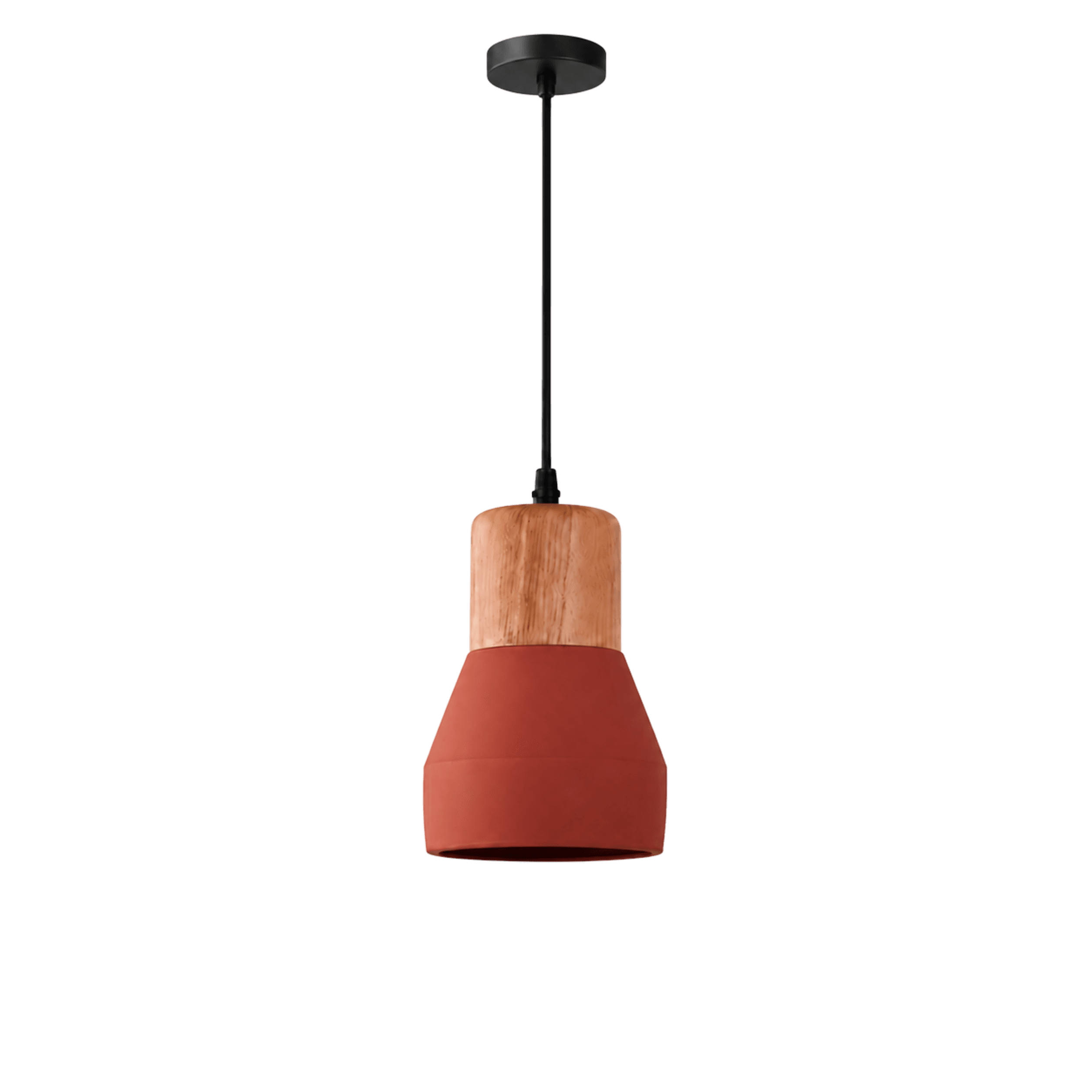
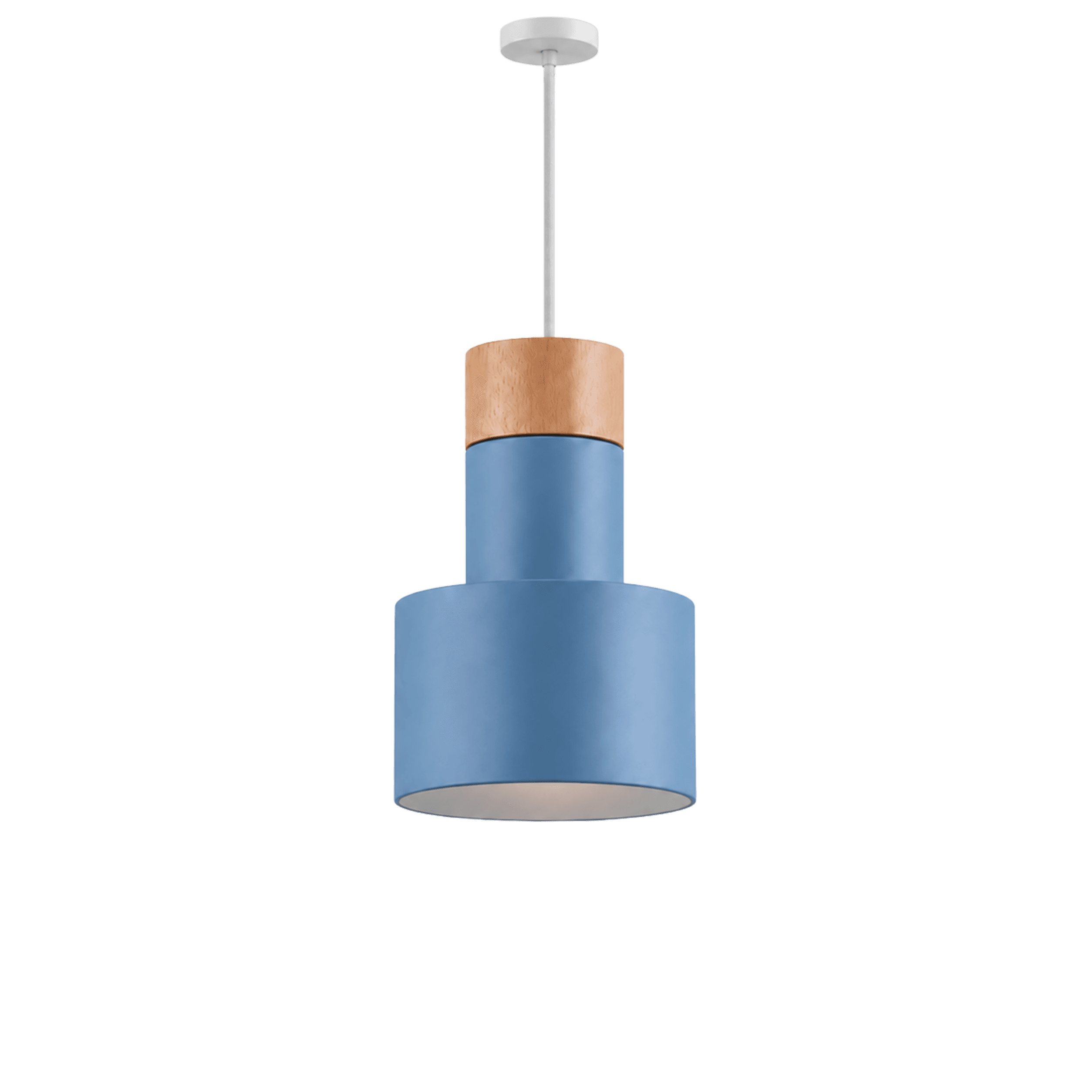
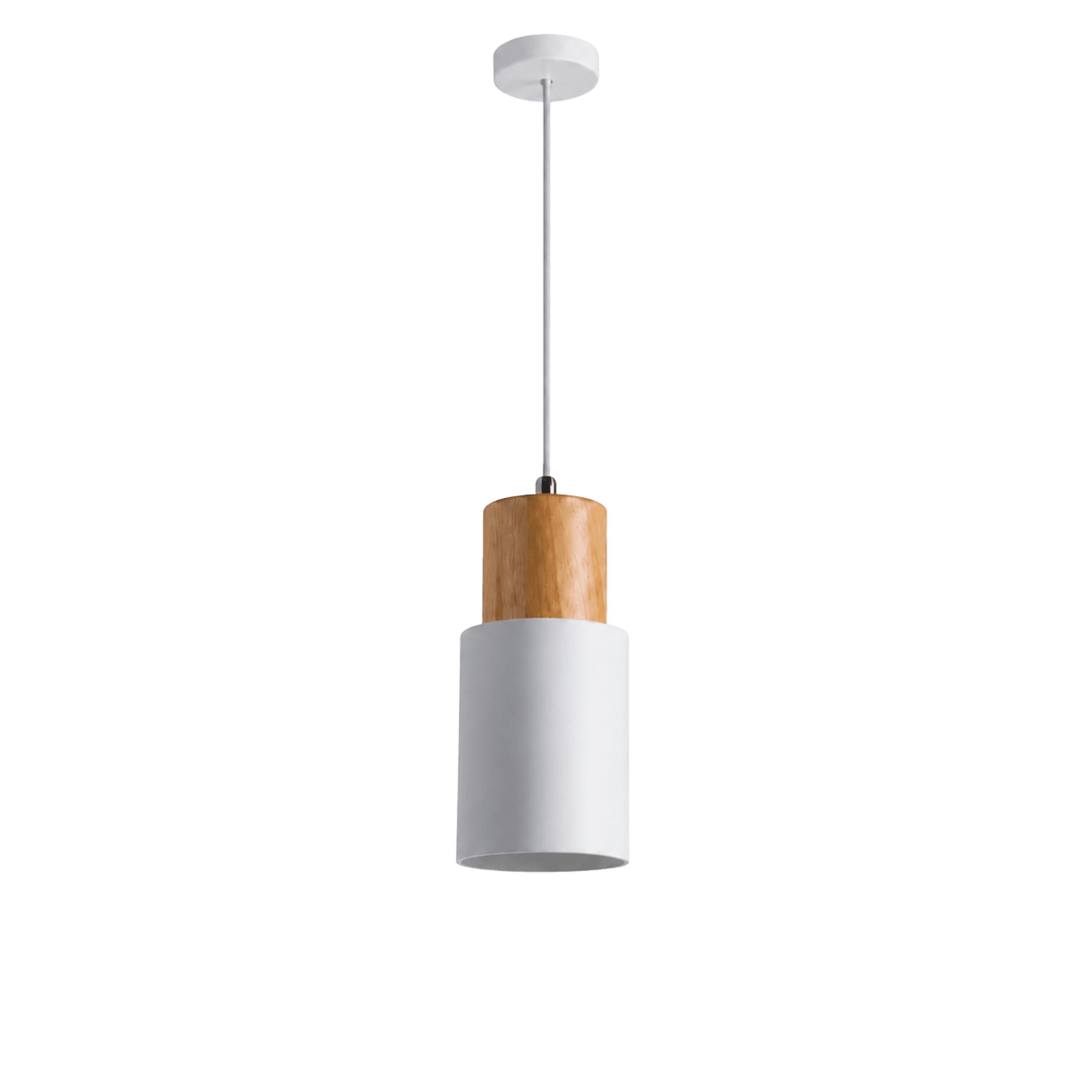
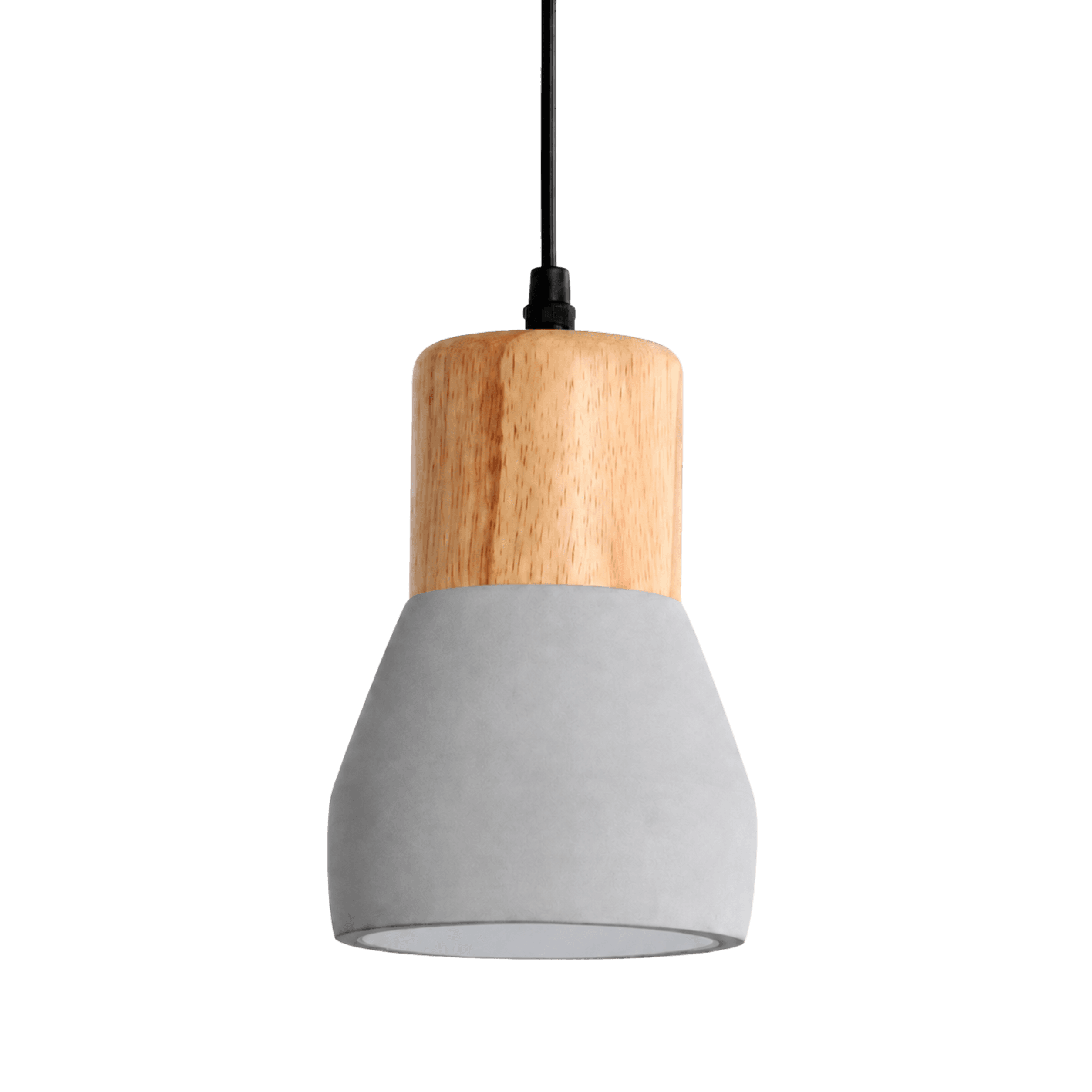
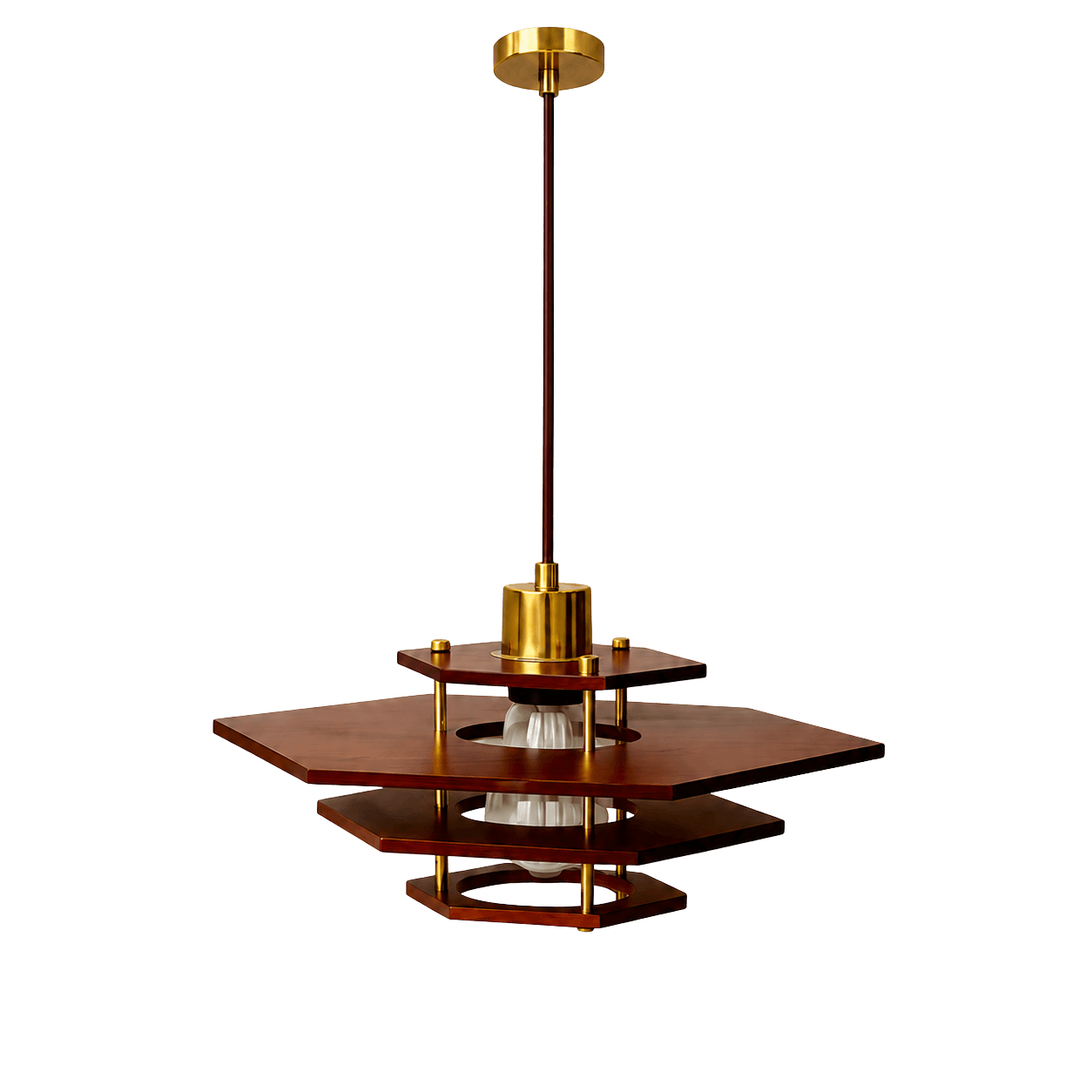
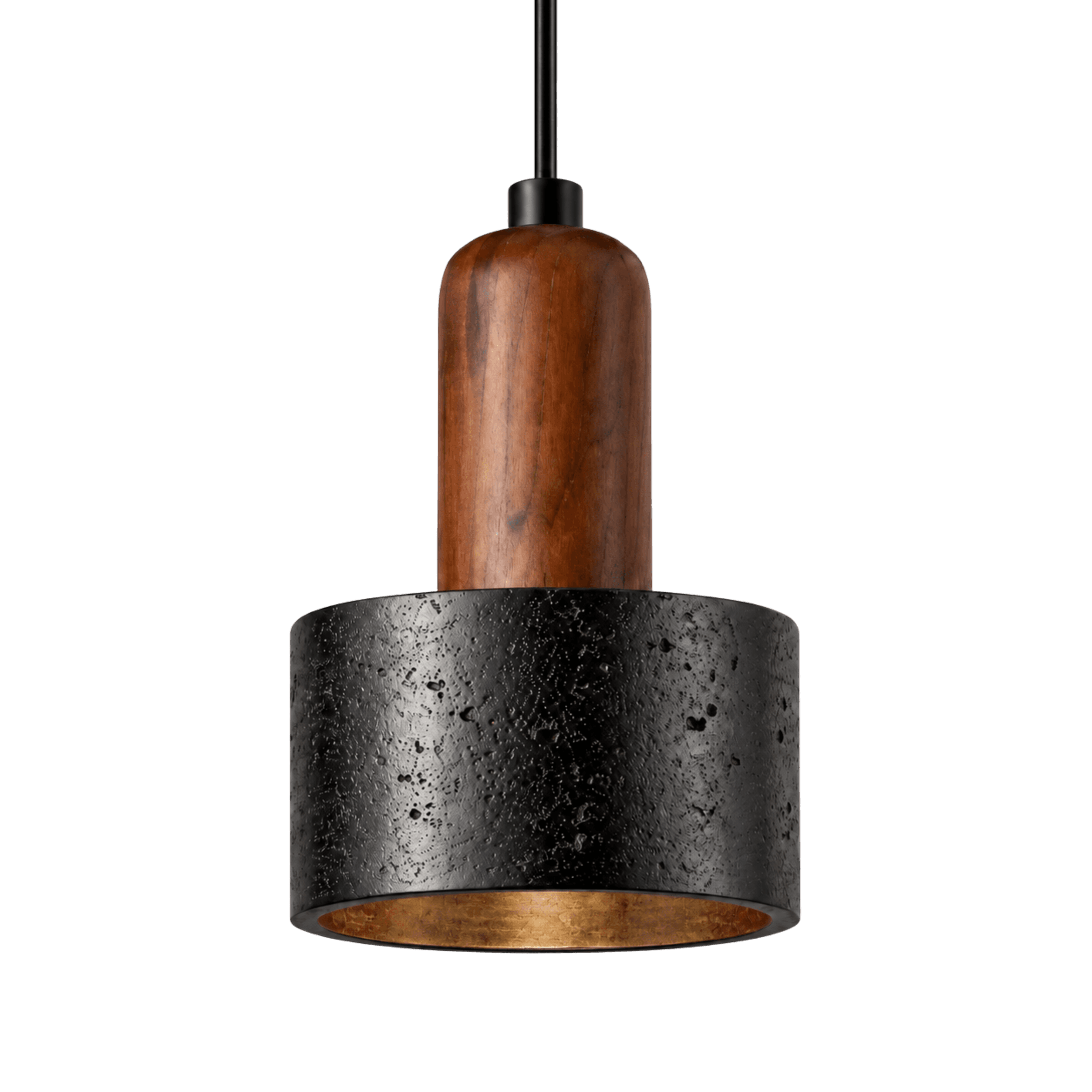
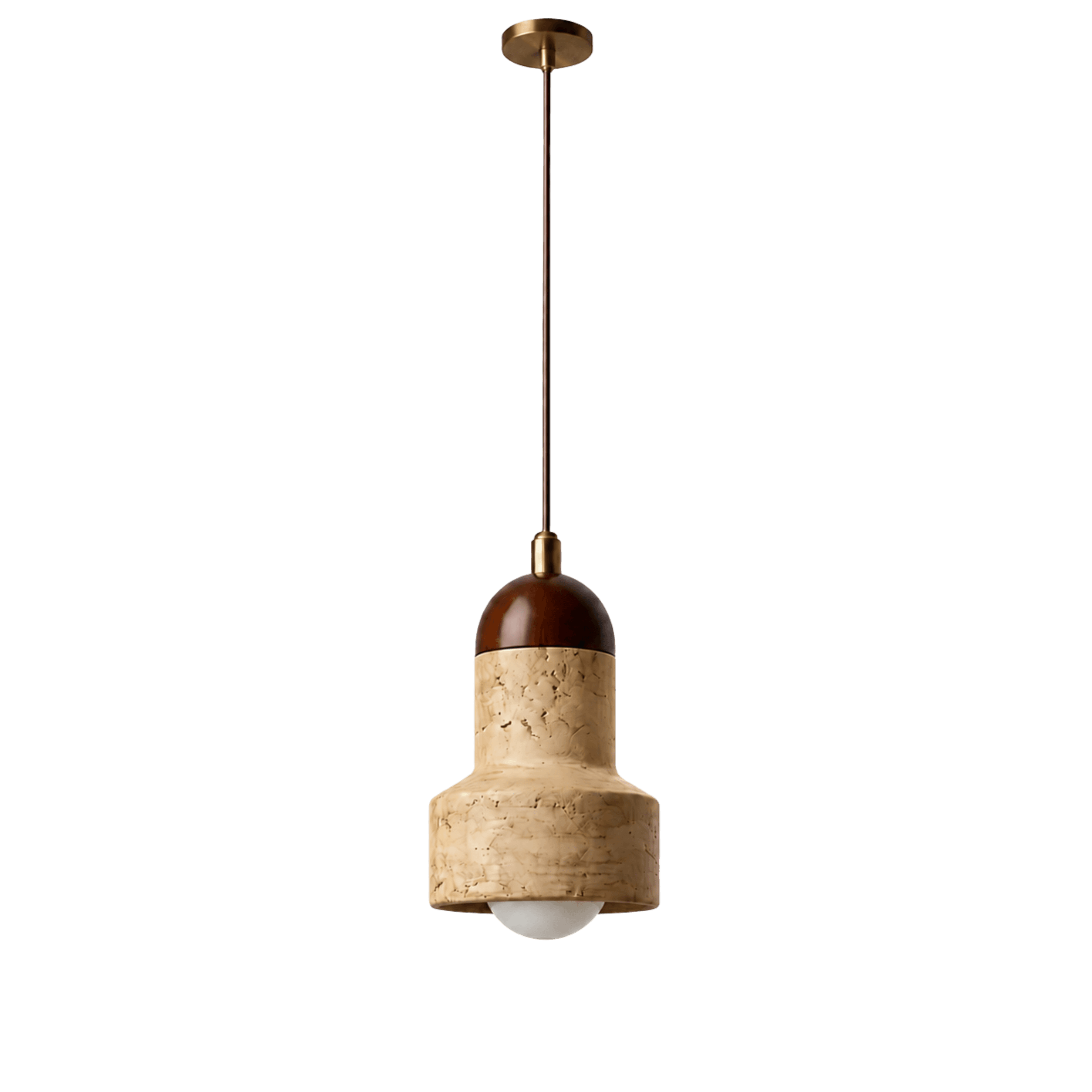
Choosing wooden pendant lights
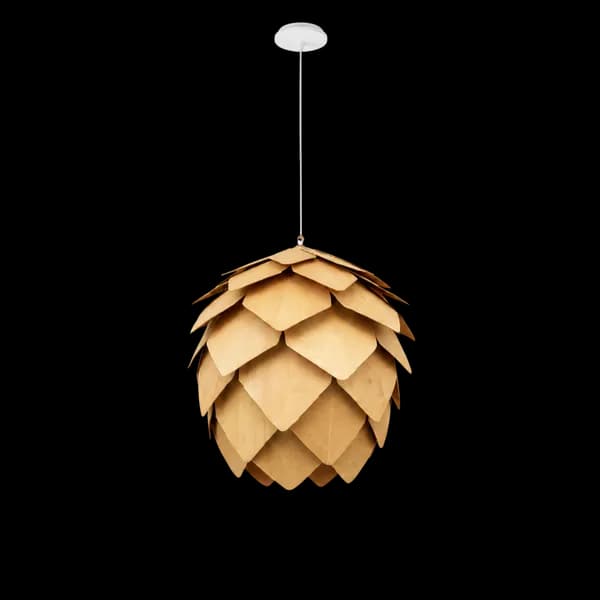
Wood is the one shade material that warms a room whether the light is on or off. It carries no shine, so it never throws a reflection back at you, and it is the obvious answer in a room that already has cane, jute, stone or a lot of plant life in it.
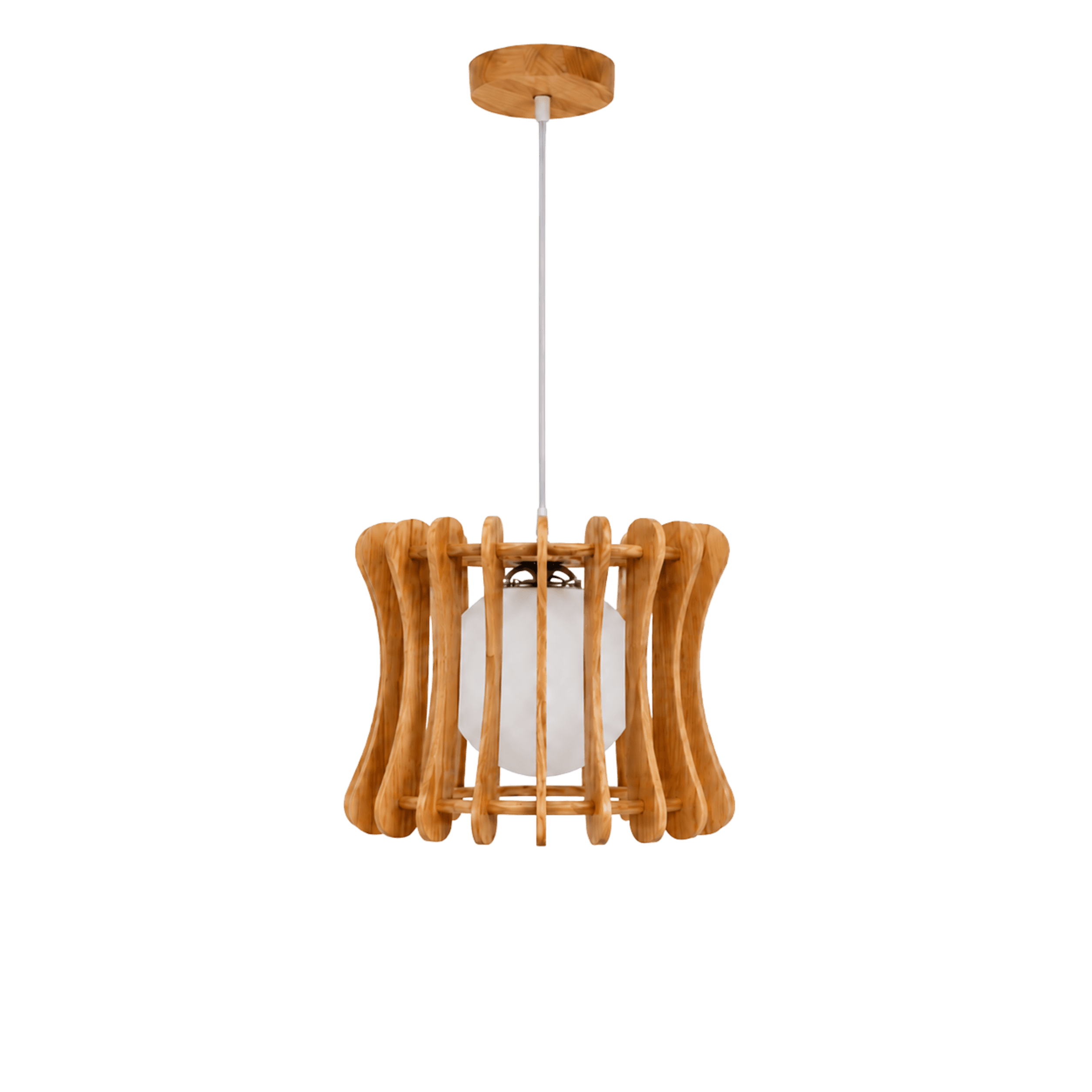
Because timber is opaque, a wooden shade is a directional shade: it pushes light down in a defined cone rather than spreading it. That makes wooden pendants right over a table or a counter and wrong as the only fixture in a room. Where the wood is used as a frame with glass or fabric inside it, the spread comes back and the fixture behaves like its shade material instead.
Grain means no two are identical, and the finish deepens slightly over the first year in a bright room. Both are properties of the material rather than faults in it.
Everything on this page is pendant lights in wood, assembled and inspected in our Surat workshop, dimmable as standard, and shipped free anywhere in India under the same 5-year warranty as the rest of the range.
Wooden Pendant Lights — common questions
Does the wood get hot around the bulb?
No. Every wooden fixture is built around a metal lamp holder with an air gap, and all our fixtures are specified for LED lamps, which put out a fraction of the heat of an incandescent bulb.
Will the wood tone match my furniture?
Treat it as a family rather than a match. Timber tones that are close but not identical read as intentional; it is the near-miss on a single shade of walnut that looks wrong. The product page lists the tone, and shade variation within a species is normal.
Are wooden light fixtures suitable for Indian humidity?
Yes — the timber is seasoned and sealed before assembly. Avoid mounting one directly above a shower or an unhooded cooking range, which is true of every finish, not only wood.